
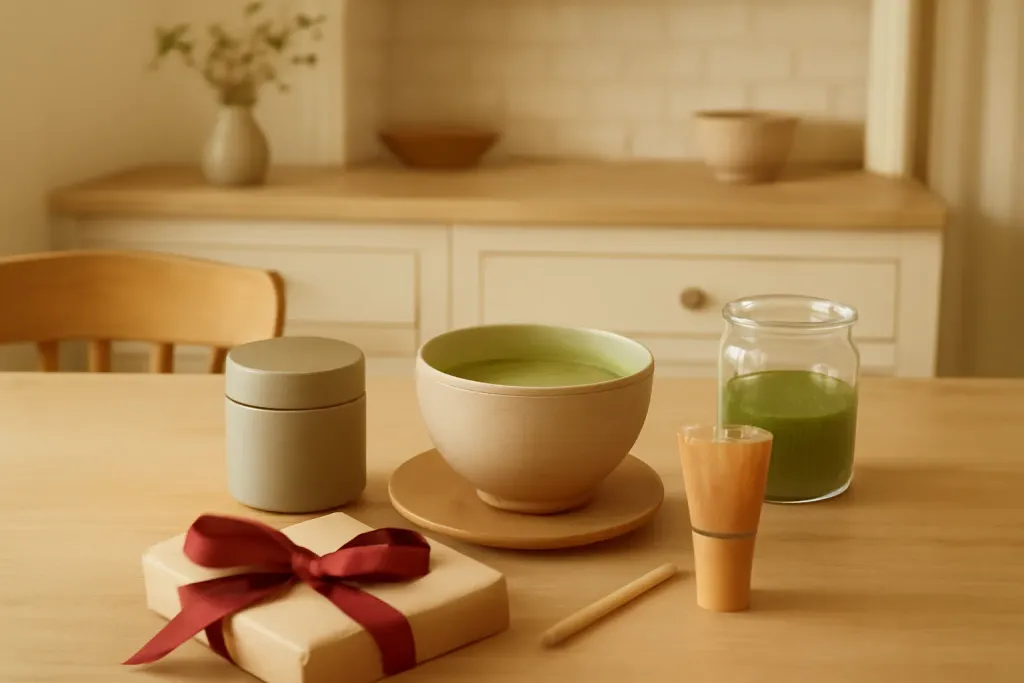
What a Matcha Starter Kit Should Include
A good matcha starter kit gift guide begins with the basics. For someone new to matcha, the most helpful gift is not a random bundle of pretty pieces, but a small set of tools that make the first few bowls feel easy and enjoyable. At minimum, a starter kit should help the recipient measure, whisk, and serve matcha without frustration.
The most common pieces are a bamboo whisk, a whisk holder or rest, a sifter, a scoop or spoon, and a bowl with enough room for whisking. Some kits also include a chasen tassel protector, a storage tin, or a spoon rest. These extras can be useful, but they are not required if the core tools are well made.
When you are choosing a gift, think about the person who will use it. A beginner usually needs simplicity and clear utility. A more experienced tea drinker may appreciate a kit with nicer materials or a more complete setup. The best starter kit is the one that makes the process feel approachable from the first use.
Matcha Whisk and Bowl Basics
The whisk is the heart of most matcha sets. Look for a bamboo whisk with a comfortable handle and enough tines to create a smooth, frothy texture. For gifting, it is often best to choose a whisk that feels sturdy rather than overly decorative. A well-shaped whisk is easier for a beginner to use and usually becomes the tool they reach for most often.
The bowl matters just as much. A proper matcha bowl, often called a chawan, should be wide enough to allow quick whisking without splashing. Tall, narrow cups can work in a pinch, but they are less forgiving for someone learning the motion. A bowl with a gentle curve and a stable base is usually the easiest to use.
Some sets pair the whisk with a holder. This is a smart addition because it helps the whisk keep its shape between uses. If you are buying for someone who values neat storage, a holder can make the gift feel more polished. If you are prioritizing simplicity, a whisk and bowl alone can still make an excellent starter kit.
Tools That Make Beginner Use Easier
Many people love the idea of matcha but feel unsure about the process. That is why practical extras can make a starter kit more inviting. A small sifter is especially helpful because it breaks up clumps before whisking. Even if the recipient has never made matcha before, a sifter helps the powder blend more evenly and makes the whole routine feel smoother.
A scoop or measuring spoon is another useful piece. It gives the gift a more guided feel, which can be reassuring for someone learning by eye. Some starter kits include a bamboo scoop, while others use a small metal spoon. Either can work if it is consistent and easy to handle.
Cleaning tools also deserve attention. A simple drying rack, whisk stand, or resting piece can help the set last longer by keeping the whisk shaped and dry. These details may seem small, but they make a big difference in how often someone actually uses the kit. In a gift context, thoughtful utility usually matters more than visual clutter.
How to Choose Quality Without Overbuying
A strong matcha starter kit does not need to be packed with every accessory available. In fact, overbuying can make the gift feel more complicated than helpful. The goal is to choose pieces that are pleasant to use, durable enough for regular prep, and easy to understand at a glance.
For the whisk, look at the shape of the tines, the finish on the handle, and whether the tool feels balanced in hand. For the bowl, check that it is wide enough for whisking and comfortable to hold or steady on a counter. For the sifter and scoop, focus on ease of use rather than novelty.
If the kit includes multiple accessories, make sure they serve a clear purpose. A beginner is more likely to appreciate a clean, edited set than a crowded one with duplicate tools. A good rule of thumb is to ask whether each item helps the recipient prepare matcha more confidently. If the answer is yes, it belongs in the gift.
Browse our recommended products
Our featured picks refresh periodically. While we update them, our editorial guides can help you find the right gift.
See our guidesGift Styles for Different Recipients
One of the best parts of a matcha starter kit gift guide is seeing how flexible the category can be. There is not just one right kind of kit. Instead, the best choice depends on who will receive it and how they like to use kitchen tools.
For a design-focused friend, choose a set with a clean color palette, a bowl that looks good on the counter, and a whisk stand that doubles as a display piece. For a practical home cook, prioritize function: a durable bowl, an easy-grip whisk, and a simple sifter. For someone who enjoys ritual and slow mornings, a more complete set with matching pieces may feel especially thoughtful.
If the recipient is new to tea culture, choose a kit that feels intuitive rather than technical. Clear, familiar pieces can make the first experience less intimidating. If the recipient already enjoys tea accessories, you can be a little more selective and choose materials or shapes that complement what they already own. In either case, the best gifts feel personal without being complicated.
Matching the Kit to the Kitchen
Kitchen gifts work best when they fit naturally into the recipient’s routine. That is especially true for matcha starter kits, which are often used on a countertop or in a small tea station. If the person has limited storage, a compact set may be better than a large bundle. If they love display-worthy pieces, a coordinated set can add charm to the kitchen shelf.
Consider the material and how it will live in the home. A ceramic bowl can feel substantial and elegant, while a lighter piece may be easier to handle every day. A bamboo whisk gives a traditional look, while a set with more streamlined accessories may blend into a modern kitchen. Neither style is inherently better; the right choice depends on the person’s preferences and space.
If you are gifting for a household that already owns tea tools, focus on what is missing. Maybe they have matcha powder but no proper whisk. Maybe they have a bowl but not a sifter. A targeted gift can be more useful than a full set, especially if it fills a real gap.
How to Present the Gift Well
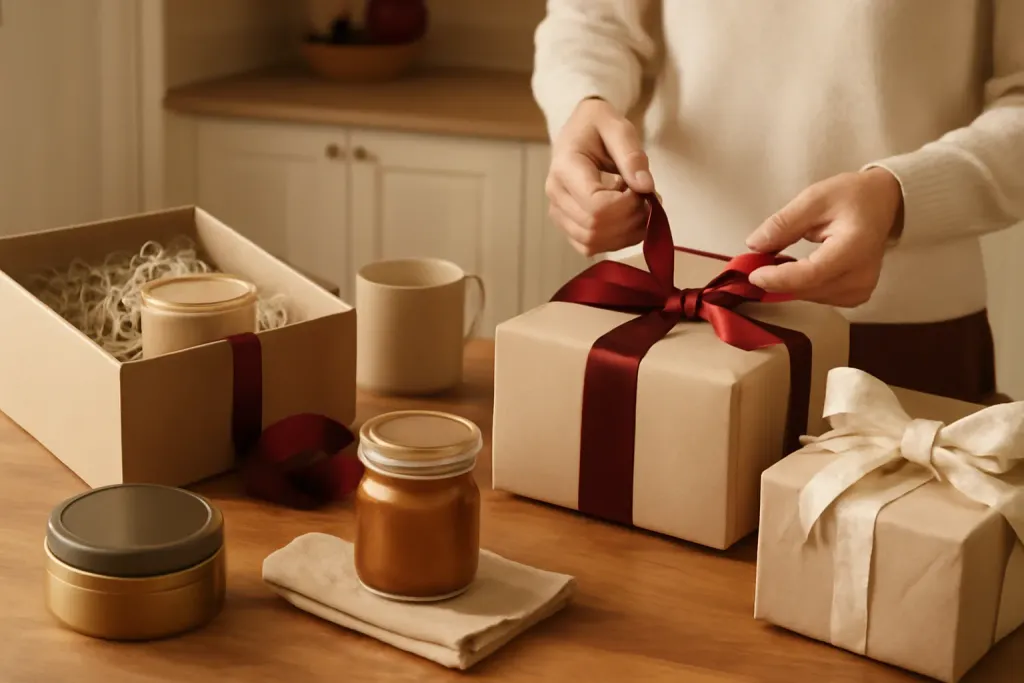
Presentation matters, especially for a gift that introduces someone to a new routine. A starter kit can feel even more special when it is packaged with care. If the set is boxed neatly already, you may only need a simple wrap or ribbon. If the pieces arrive separately, consider arranging them together so the recipient can see how the kit works as a whole.
You can also make the gift feel more welcoming by adding a short note that explains why you chose it. Mention that it is meant to make the first cup easy and enjoyable. For someone who is nervous about trying something new, that reassurance can make a big difference. The message does not need to be elaborate; a few warm lines are enough.
If you want to round out the gift, you can pair the kit with a nonperishable kitchen item that fits the theme, such as a pretty spoon rest or a small tray for tea tools. Keep the add-on simple so it supports the main gift rather than distracting from it. The overall effect should be calm, useful, and thoughtful.
Final Buying Checklist
Before you buy, pause and run through a quick checklist. Does the set include the essential tools for whisking and serving matcha? Is the bowl wide enough for comfortable use? Does the whisk seem well made and easy to hold? Are the extra pieces actually helpful, or just decorative?
It also helps to think about the recipient’s experience level. A beginner may benefit from a straightforward, well-labeled kit, while someone with more interest in tea may enjoy a more refined or complete setup. Either way, the best gift is one that encourages use rather than leaving the person unsure where to begin.
If you keep the focus on simplicity, function, and a pleasant first experience, you will be in good shape. A matcha starter kit can be a lovely kitchen gift because it is both practical and ceremonial. It invites the recipient to slow down, learn a small skill, and enjoy a routine that feels special without requiring a complicated setup.