Overview
Short answer: the best chef-style gifts for a serious home cook usually address a specific technique, ingredient category, or workflow gap, rather than a generic "cooking gift" chosen without much thought. Someone who cooks at this level typically already owns the basics, so the gifts that land well tend to be more specific and more considered than an average kitchen gift.
"Chef gift ideas" in a home-gifting context generally means gifts suited to someone who takes cooking seriously as a hobby or skill, not necessarily a professional chef. This guide covers what to think about before buying for this kind of recipient, several gift categories worth considering, and what to check before you order.
It's worth setting expectations up front: buying for an experienced home cook is often harder than buying for a beginner, precisely because they've likely already solved most of the common kitchen problems a typical gift addresses. The goal here is to find the smaller, more specific gaps that remain.
One reliable approach is to think about what the recipient has mentioned wanting to try but hasn't gotten around to -- a technique, a cuisine, or a specific ingredient category. A gift that removes the friction of "getting started" on something they already wanted to explore tends to be far more memorable than a gift chosen without that context.
It also helps to pay attention to what they talk about when they talk about cooking. Someone who frequently mentions a specific frustration -- inconsistent results with a technique, or wishing they had more variety in a particular ingredient category -- is effectively telling you what gift would be well received, even if they haven't asked for anything directly.
What to know before you buy
Start by taking stock, as best you can, of what tools they already own. Duplicate high-end tools are one of the most common wasted gifts in this category -- a second version of a tool they already use daily is rarely appreciated, however nice it is.
If you genuinely can't assess their current tools directly, ask a close family member or a person who has recently visited their kitchen, rather than guessing. A short, discreet check like this can prevent an otherwise thoughtful gift from becoming a duplicate.
Consider their specific style of cooking. "Serious home cook" covers people focused on precision and technique, people focused on bold flavors and improvisation, and people focused on a specific cuisine tradition -- and these different orientations call for different gifts.
Think about whether they cook primarily for themselves, for a household, or for entertaining guests. A gift suited to solo technique practice (like a specialized precision tool) differs from a gift suited to hosting (like a serving-focused item).
It's also worth considering how they prefer to learn something new -- some experienced cooks enjoy following a structured process closely, while others prefer to experiment loosely once they understand the basic technique. A gift tied to a rigid process suits the former, while ingredients or flexible tools suit the latter.
Finally, think about how much counter or storage space their kitchen has for a new tool. Even an experienced cook with a strong interest in a technique may hesitate to add a large, single-purpose appliance to a kitchen that's already tightly organized, so a compact version of the same idea is often the safer choice.
Gift ideas by category
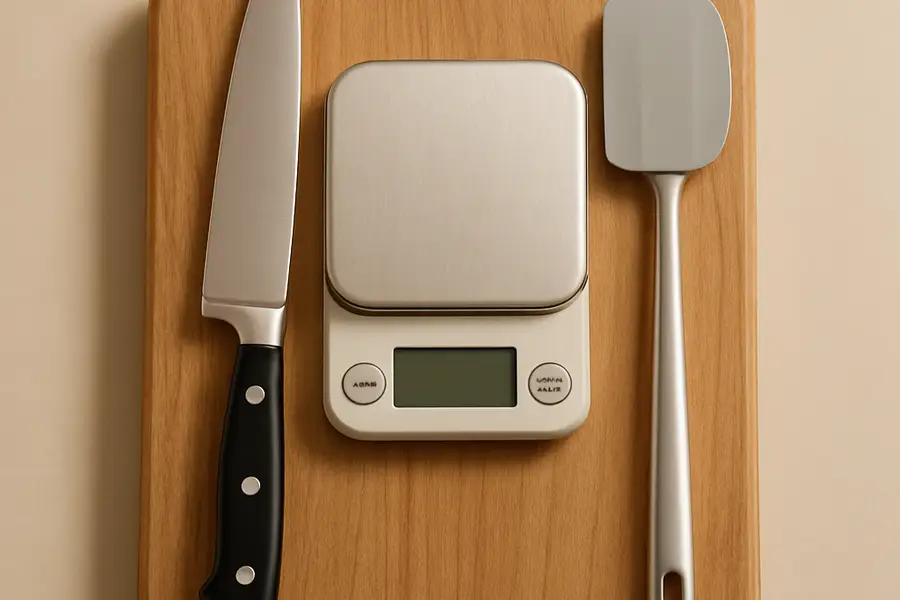
Precision and technique tools. Tools that support a specific technique -- a specific style of knife sharpening, a precision scale, or a tool tied to a technique like sous vide -- can be excellent gifts once you know the recipient is interested in that specific skill.
Ingredient-based gifts. A niche spice blend, an uncommon pantry ingredient, or a themed gourmet basket reintroduces variety to a kitchen that already has the tools covered. See our gourmet food gifts hub for ideas.
Cuisine-specific starter gifts. A set of ingredients or tools tied to a cuisine the recipient hasn't explored much -- but has expressed interest in -- gives them a low-friction way to start a new cooking project.
Entertaining-focused gifts. For a cook who enjoys hosting, serving-focused tools or a charcuterie-style board can be more useful than another solo-cooking gadget. See our charcuterie gift basket guide for more on this angle.
Grilling and outdoor cooking gifts. For a cook who enjoys grilling or outdoor cooking specifically, a rub, sauce, or grilling-specific tool can be a well-targeted, less commonly duplicated gift compared to general kitchen gadgets.
Baking crossover gifts. Some experienced savory cooks are also casual bakers, and a well-chosen baking tool or ingredient can be a pleasant surprise gift outside their usual cooking focus, provided you know they do occasionally bake.
Browse our recommended products
Our featured picks refresh periodically. While we update them, our editorial guides can help you find the right gift.
See our guidesWhat to check before buying
Before buying a specialized tool, confirm it's genuinely useful on its own rather than requiring a specific system or set of accessories the recipient doesn't already own.
For ingredient-based gifts, check ingredient lists and any allergen information directly on the listing, and confirm shelf life if the gift may sit unused for a while before the recipient gets to it.
Read enough of the actual product description to confirm the tool solves a real task well, not just that it looks impressive in marketing photos -- specialized kitchen tools vary widely in build quality even within the same general category.
If the gift involves a technique the recipient hasn't tried before, check whether the listing includes any getting-started guidance or whether they'll need to look that up separately. A tool without any accompanying guidance can be a bigger hurdle to actually using than expected, especially for a genuinely new technique.
Mistakes to avoid
The most common mistake is buying an impressive-looking gadget without confirming the recipient has an actual use for it. A niche tool tied to a technique they've never expressed interest in is a much riskier gift than one tied to something they've mentioned wanting to try.
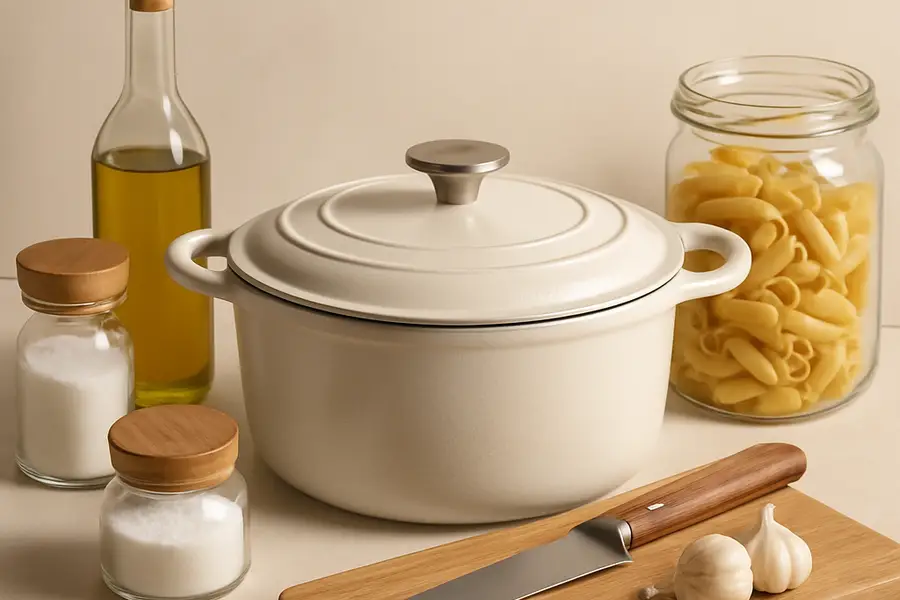
A second mistake is duplicating a tool they likely already own at this skill level -- a basic knife, a basic cutting board, or standard measuring tools are unlikely to be useful gifts for someone this far into their cooking hobby.
Finally, avoid assuming higher price automatically means a better gift. A thoughtfully chosen, moderately priced ingredient or tool tied to a specific interest often lands better than an expensive but generic gadget.
Another mistake is choosing a gift purely because it's popular among cooking enthusiasts online, without checking whether it actually fits this specific recipient's style. Trends move quickly, and a gift chosen for its popularity rather than its fit can feel impersonal even when it's objectively a well-made product.
Final thoughts
Good chef gift ideas for a serious home cook come from identifying a specific, genuine gap -- a technique they want to try, an ingredient category they haven't explored, or a hosting-related need -- rather than defaulting to an impressive-looking generic gadget.
For more ideas, see our gifts for cooks hub and our guide to gifts for people who love cooking for a broader take on this same audience.
When in doubt between two options, favor the one tied more specifically to something the recipient has already expressed interest in, even if it's a smaller or less impressive-looking gift -- specificity tends to matter more than scale once someone has reached this level of cooking experience.