
Overview
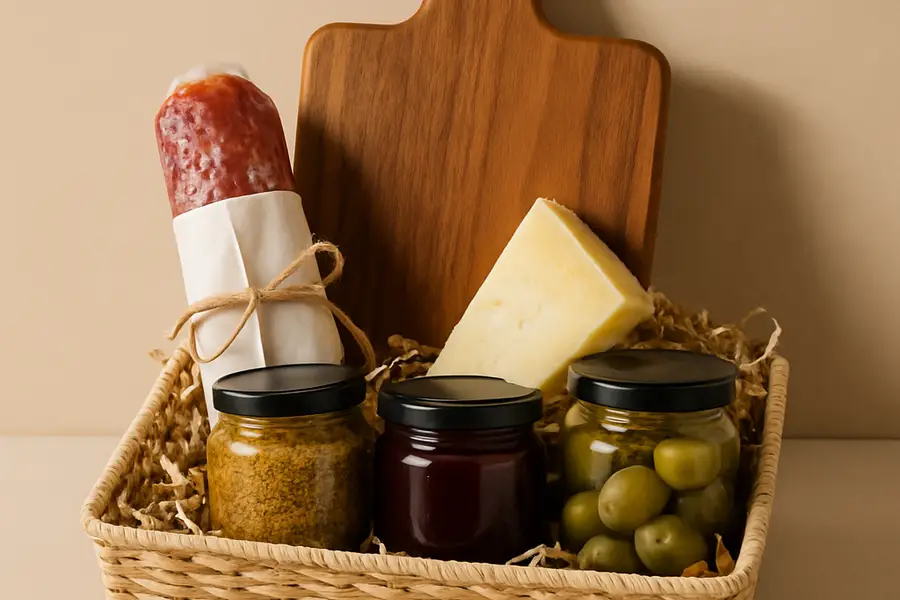
Short answer: a good charcuterie gift basket combines a serving board or platter with a handful of shelf-stable, spreadable, or snackable pantry items, chosen to suit how the recipient actually entertains. It works best as a gift for people who host regularly, since the basket essentially gives them the building blocks for their next gathering rather than something to use alone.
Charcuterie has become a popular gifting theme because it's visual, shareable, and flexible -- the same basic format (a board plus a spread of small items) works for a casual weekend hang or a more formal holiday gathering. This guide covers what typically goes into a good charcuterie basket, how to match one to the recipient, and what to check before buying.
It's worth noting upfront that "charcuterie" in a gifting context usually refers to the broader spread-and-board style of entertaining, not specifically cured meats -- many gift baskets in this category lean toward cheese, crackers, spreads, and shelf-stable pantry items rather than perishable meat products, which simplifies shipping and storage considerably.
This gifting theme also tends to work well across a wide range of relationships -- it suits a close friend, a coworker, or a host you don't know especially well, since a board-and-spread gift reads as thoughtful without requiring detailed knowledge of the recipient's specific cooking habits the way a more specialized kitchen gift might. That broad appeal is part of why charcuterie-style baskets remain one of the more popular gift-basket categories year-round, not just around the holidays.
What to know before you buy
Start by considering how often the recipient actually hosts. Someone who entertains frequently will get more value from a reusable serving board than someone who rarely has guests over, in which case a smaller, mostly consumable basket may be the better fit.
Think about the recipient's taste profile in general terms -- a basket heavy on strong, pungent spreads may not suit someone with milder taste preferences, while a very plain, mild basket may underwhelm someone who enjoys bolder flavors. When unsure, favor variety over intensity.
Consider household size too. A basket sized for a dinner party doesn't make sense as a gift for someone who mostly snacks alone, and vice versa -- match the basket's scale to how the recipient will realistically use it.
It also helps to think about how much of the basket is meant to be kept versus consumed. A wooden board or slate platter has a long lifespan and becomes a permanent part of the recipient's entertaining setup, while jarred spreads and crackers are consumed within weeks -- a good basket usually includes both, so the gift has both an immediate and a lasting component.
Finally, think about where the recipient typically entertains. Someone who hosts small, casual get-togethers on a coffee table has different needs than someone who regularly sets up a full dining table spread -- the former benefits more from a compact board and a few well-chosen jars, while the latter may get more use out of a larger platter and a wider variety of items.
What goes in a good basket
A serving board or platter. This is often the anchor item of a charcuterie basket, and a well-chosen board can be reused indefinitely, making it the part of the gift most likely to have a long life in the recipient's kitchen.
Shelf-stable spreads and condiments. Jams, mustards, honey, or savory spreads round out a board nicely and don't require refrigeration before opening, which keeps shipping simple.
Crackers or bread-adjacent items. A good charcuterie spread needs something to serve the spreads and cheeses on -- look for a variety of textures and flavors rather than a single type.
Nuts, dried fruit, or other snackable items. These add texture variety to a board and tend to have a long shelf life, making them a safe addition to almost any charcuterie basket.
Serving tools. Small spreaders, a cheese knife set, or small serving bowls can round out a basket nicely, especially for a recipient who doesn't already have dedicated serving tools for this kind of spread.
See our gourmet food gifts hub for more on pairing these categories, and our kitchen gift baskets hub for basket ideas outside the charcuterie theme specifically.
When choosing between these categories, aim for contrast rather than overlap -- a mild spread pairs well with a bolder cracker, and a sweet condiment like honey or fruit preserve balances a savory item elsewhere on the board. A basket that leans entirely in one flavor direction (all mild, or all bold) tends to feel less versatile once the recipient actually sets up a spread.
Browse our recommended products
Our featured picks refresh periodically. While we update them, our editorial guides can help you find the right gift.
See our guidesWhat to check before buying
Always confirm ingredient lists, allergen information, and any dietary considerations directly on the product listing or packaging rather than assuming from a general description -- this matters more for food gifts than almost any other kitchen gift category.
Check the material of any included board or platter, since wood, slate, and ceramic all have different care requirements. Confirm whether the board is dishwasher-safe or requires hand care, since this affects how much upkeep the gift requires.
For perishable-adjacent items, check expected shelf life and storage instructions, and confirm shipping timelines if the basket needs to arrive fresh for a specific occasion.
It's also worth checking whether the seller ships the basket as one assembled unit or as separate items that arrive individually -- some gift baskets are packed and shipped by the seller directly, while others are effectively a bundle of separate listings. Either can work well, but knowing which one you're ordering affects how the unboxing experience will actually feel on arrival.
Mistakes to avoid
The most common mistake is over-filling a basket with items that don't actually pair well together. A tightly curated basket with complementary flavors is a stronger gift than a large one with mismatched items.
A second mistake is ignoring dietary restrictions or strong food preferences you already know about. If you know the recipient avoids a specific ingredient, don't include it just because it's a common charcuterie staple.
Finally, avoid assuming every recipient wants a large board. Smaller households or casual entertainers may prefer a more modest, gift-basket-style presentation over an oversized serving board that doesn't match their actual entertaining scale.
It's also a mistake to choose items purely for visual appeal in a product photo without checking how they'll actually taste together. A beautifully styled board photo doesn't guarantee the included flavors complement each other -- read the individual item descriptions, not just the styled hero image, before deciding a basket is well put together.
Final thoughts
A good charcuterie gift basket balances a lasting item (a board or serving tool) with a handful of well-paired, shelf-stable consumables, scaled to how the recipient actually entertains. Keep the flavor profile in mind, check ingredient and allergen details on the actual listing, and favor a smaller, better-matched basket over a larger generic one.
For more gourmet food gift ideas, see our gourmet food gifts hub, or browse the homepage for the full range of kitchen gift categories.
Whether you're buying a fully assembled basket or building one from a few separate listings, the same principle holds: a smaller set of well-paired, clearly described items will almost always outperform a larger, vaguely described one -- both in how it looks unwrapped and in how much of it actually gets used.