What a Starter Chef Pantry Gift Basket Should Do
A starter chef pantry gift basket works best when it helps someone cook right away. It should not feel like a decorative pile of groceries. The goal is to give a new or growing home cook a set of ingredients that feel familiar, flexible, and genuinely useful in real meals.
That usually means pantry basics: pasta, rice, broth, canned tomatoes, cooking oil, vinegar, spices, and a few simple condiments. These are the items people reach for again and again because they can support lunch, dinner, and quick weeknight cooking without much planning.
The basket should also feel approachable. If the contents lean too specialty-driven, the gift may look impressive but stay underused. A starter chef pantry gift basket should reduce decision fatigue, not create it. The recipient should be able to look at the basket and immediately picture several easy meals.
That is what makes this kind of gift so practical for a first apartment, a housewarming, a graduation, or any moment when someone is building confidence in the kitchen. The best baskets quietly answer a simple question: what should I cook first?
Core Pantry Staples to Build Around
The easiest way to build a starter chef pantry gift basket is to begin with essentials that work in many recipes. A balanced basket usually includes a few categories so the recipient can make complete meals rather than only one dish at a time.
Grains and starches: Pasta, rice, couscous, quinoa, or oats are reliable building blocks for fast meals and simple sides.
Canned basics: Diced tomatoes, tomato paste, beans, tuna, or broth can support soups, sauces, skillet dinners, and grain bowls.
Cooking oils and vinegar: Olive oil, neutral oil, and a versatile vinegar help with sautéing, dressings, and straightforward marinades.
Spices and seasonings: Garlic powder, onion powder, black pepper, paprika, oregano, cumin, or an all-purpose blend help a beginner build flavor with confidence.
Simple condiments: Mustard, soy sauce, hot sauce, or a jarred sauce can turn plain ingredients into a more complete meal.
You do not need every pantry item imaginable. In fact, a smaller and more intentional selection often works better. The goal is to include items that complement one another and create a useful foundation the recipient can keep building on after the gift is opened.
When choosing staples, look for broad use and clear purpose. A beginning cook is usually better served by ingredients that fit familiar recipes than by products that require advanced technique. That practical balance is what makes a pantry basket feel thoughtful instead of random.
How to Make the Basket Feel Cohesive
A strong starter chef pantry gift basket feels curated, not crowded. The ingredients should work together as part of a simple cooking plan so the recipient can see how to use them. One of the easiest ways to do that is to build around a theme.
Common themes include pasta night, soup basics, weeknight cooking, or grain bowl building. A theme gives the basket structure and makes the contents easier to understand at a glance. It also helps the recipient imagine the first meal before the basket is even unpacked.
You can also build around one base ingredient and layer in supporting items. A pasta-centered basket might include dried pasta, canned tomatoes, garlic, olive oil, a seasoning blend, and a finishing ingredient. A rice-focused basket could include rice, broth, canned beans, salsa, and a few seasonings that turn the grain into a quick bowl.
Another useful approach is to balance everyday staples with one or two slightly elevated pieces. A nicer bottle of olive oil, a thoughtful spice blend, or a small finishing salt can make the gift feel special without moving away from practicality. This gives the recipient both the basics and a small element of delight.
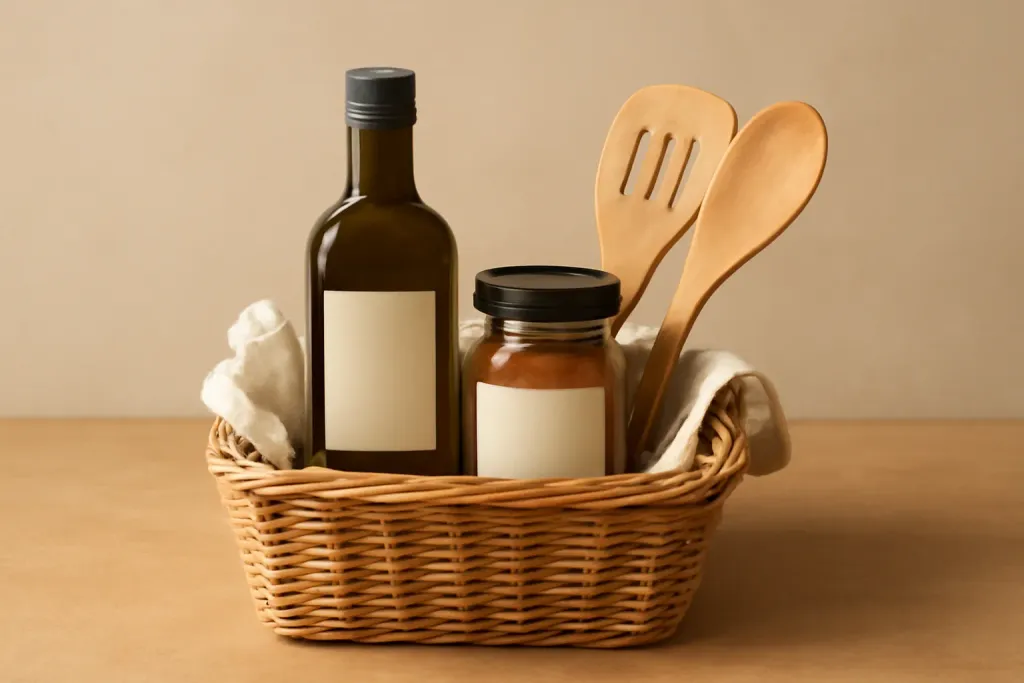
Presentation matters too. Use a sturdy basket, crate, bowl, or storage box that can be reused later. Arrange taller items toward the back and smaller goods in front so the collection looks intentional. A cohesive basket is easier to unpack, easier to store, and more satisfying to receive.
Adapting the Gift for Different Recipients
The best starter chef pantry gift basket depends on who will use it. A college student, a new homeowner, and a home cook who is still building confidence may all need something a little different. Matching the basket to the recipient makes it more personal and much more likely to be used.
For a first apartment or college setup, focus on easy meals and low-effort ingredients. Pasta, sauce, rice, canned beans, broth, and basic seasonings are all practical choices. These items support quick dinners and simple lunch ideas without requiring a large pantry or much planning.
For someone who wants to learn more about cooking, include ingredients that encourage repeat use. Oil, vinegar, stock, canned tomatoes, a few grains, and several core spices can help teach how flavors work together. This kind of basket supports small experiments while staying grounded in everyday cooking.
If the recipient already likes to cook but is still stocking a pantry, you can add a little more flavor variety. A wider mix of spices, a few sauce options, or ingredient combinations that point to new dishes can make the basket feel fresh. Even then, it is wise to keep the core items practical so the gift remains useful over time.
For families, think about quantity and versatility. Extra pasta, a larger rice option, broth, canned tomatoes, and seasoning basics can go farther in a busy kitchen. No matter the recipient, the strongest basket is the one that fits current cooking habits rather than assuming a fully stocked kitchen.
Browse our recommended products
Our featured picks refresh periodically. While we update them, our editorial guides can help you find the right gift.
See our guidesUseful Extras That Round Out the Gift
Once the essentials are in place, a few thoughtful extras can make the basket more helpful. These additions should still support cooking and storage, but they can make the gift feel more complete and easier to use.
Recipe cards are one of the best additions. A small set of simple meal ideas can show how the ingredients connect. Include easy combinations such as pasta with tomato sauce, rice bowls with beans, or a quick soup made with broth and canned vegetables. The recipes do not need to be elaborate; they just need to be clear and beginner-friendly.
Basic kitchen tools can also pair well with pantry items. Measuring spoons, a wooden spoon, a small whisk, or a silicone spatula are practical, easy-to-store items that almost any home cook can use. For someone setting up a kitchen from scratch, one or two simple tools can make the basket feel especially helpful.
If the gift is meant to support a new kitchen setup, pantry organizers are another useful option. Labels, small bins, or storage containers can help the recipient keep ingredients tidy once the basket is unpacked. These additions are not required, but they can make the gift more complete and encourage good kitchen habits from the start.
The best rule is simple: if the extra item makes cooking easier, it belongs. If it only adds decoration, it probably does not. Practical extras reinforce the purpose of the starter chef pantry gift basket and keep the focus on real use.
Presentation Tips for a Strong First Impression
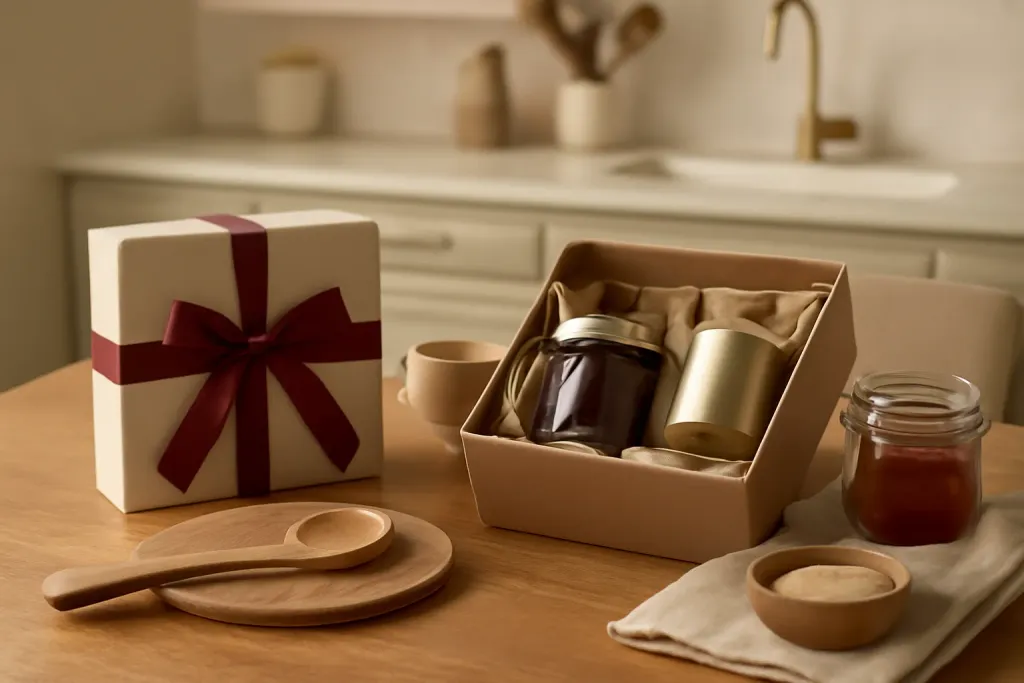
A starter chef pantry gift basket does not need elaborate styling to feel special. In most cases, clear organization and thoughtful placement matter more than decorative flourishes. A neat presentation signals that the contents were chosen with care and intended for use.
Start with a base container that can support the weight of the items. A basket, wooden crate, wire bin, or reusable storage box all work well. If the basket includes heavier goods, make sure the container is sturdy enough to handle them. If the recipient is likely to reuse the container in a pantry or cabinet, that adds even more value.
Layer the contents so they are easy to see and easy to remove. Place taller items in back, smaller jars or packets in front, and use filler paper only if it helps hold everything in place. A clean, uncluttered look keeps the focus on the ingredients themselves.
A short handwritten note can make the basket feel warmer without making it complicated. You might mention why you chose certain items or suggest a few simple meal ideas. If you include recipe cards, tuck them where they are easy to spot. Small touches like these help the gift feel personal while staying practical.
Mistakes That Can Make the Basket Less Useful
Even a thoughtful basket can miss the mark if it becomes too busy or too specific. One common mistake is adding too many specialty items. Ingredients that sound exciting may not be practical for a beginner cook, and unfamiliar products can end up unused. A better basket usually emphasizes versatility over novelty.
Another issue is choosing ingredients that do not work together. If the contents feel disconnected, the recipient has to figure out how to use them on their own. It is easier and more helpful to build around a few connected meal ideas so the basket tells a clear cooking story.
It is also easy to overload the basket with too many items from one category. Too many sauces, too many condiments, or too many spice blends can make the gift feel scattered. A mix of staples, flavor boosters, and perhaps one or two simple tools usually creates a stronger result.
Finally, do not assume the recipient already has a full pantry. If the gift is for a first apartment, graduation, or a new household, it should stand on its own. The most useful basket helps the recipient take a real step forward in cooking rather than relying on ingredients they may not already own.
Final Checklist Before You Give It
Before you finish the basket, take a moment to check the overall balance. Ask whether the ingredients support several simple meals, whether the items make sense together, and whether the basket feels appropriate for the recipient’s level of experience. If the answer is yes, the gift is probably on track.
Does it include pantry staples that are widely useful?
Are there enough items to suggest more than one meal idea?
Do the ingredients and any tools feel coordinated?
Will the recipient understand how to use what is inside?
Does the presentation look tidy and intentional?
If you want to make it more personal, add one small touch that reflects the recipient’s cooking style. That could be a favorite easy recipe, a note about how the ingredients work together, or a reusable container they can keep using after the gift is opened. A well-made starter chef pantry gift basket should be practical first, but it can still feel warm and thoughtful.
When it is built with care, this is one of the most useful food gifts you can give. It helps someone cook sooner, stock smarter, and feel more at home in the kitchen. That combination of usefulness and encouragement is what makes a starter chef pantry gift basket such a strong choice for so many occasions.