What a Plant Based Cooking Gift Basket Should Do
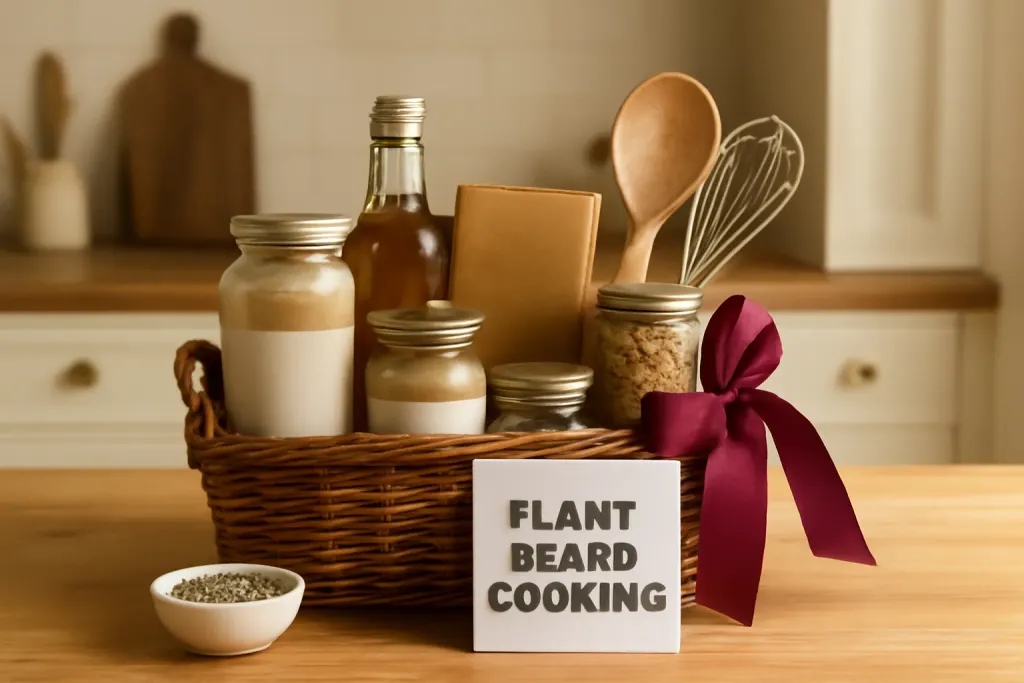
A well-chosen plant based cooking gift basket should feel useful on day one and still earn a place in the kitchen months later. The strongest baskets are not random collections of food items. They bring together ingredients, tools, and a little inspiration so everyday plant-forward cooking feels easier and more inviting.
That means thinking about how the recipient actually cooks. Some people want quick weeknight meals, while others enjoy building grain bowls, soups, roasted vegetables, or baked dishes from scratch. A good basket can support all of those habits if it balances pantry basics with a few smart kitchen tools.
It also helps to keep the basket flexible. Plant-based cooking includes a wide range of styles, from simple sheet-pan dinners to more layered recipes with grains, legumes, herbs, and seasoning blends. Because of that, a thoughtful basket should encourage creativity rather than push one narrow meal plan. If the pieces can be used in several ways, the gift will feel more practical and more personal.
Pick a Simple, Useful Theme
The easiest way to build a plant based cooking gift basket is to choose a clear theme. A theme helps the basket feel curated instead of crowded, and it makes shopping easier because every item has a job. The theme does not need to be elaborate; it simply needs to connect the contents in a way that makes sense for the cook receiving it.
One straightforward option is a weeknight cooking theme. This version might include quick-cook grains, a versatile sauce, a pair of spice blends, a sturdy spatula, and a recipe card or two. Another option is a soup-and-stew theme, built around broth-friendly ingredients, a ladle, dried herbs, and a durable storage container for leftovers. A third idea is a grain-bowl theme with a grain mix, a nut or seed topping, a creamy condiment, and a measuring spoon set.
If you want the basket to feel more giftable, build around a cooking mood rather than a full meal plan. For example, you might create a cozy winter basket, a fresh spring basket, or a Mediterranean-style basket with olive-oil-friendly items and bright seasonings. The theme gives the basket personality while still leaving room for practical choices.
Try to avoid including too many items that do the same job. If you add several sauces, several snacks, and several utensils, the basket may lose its focus. A tighter selection usually feels more thoughtful, especially when each item earns its place.
Best Food Items to Include
Food is often the heart of a plant based cooking gift basket, but the best choices are the ones that support cooking rather than compete with it. Look for items that can be used in multiple recipes. Pantry staples are especially useful because they have a lasting role in the kitchen and can inspire several different meals.
Good options include grains such as rice, quinoa, farro, couscous, or oats, depending on the recipient’s usual cooking style. Beans, lentils, tomato products, nut or seed butters, vinegars, and cooking oils are also practical additions. Spice blends can be especially helpful because they reduce the number of separate seasonings the cook must manage. A smoky blend, a herb blend, or a citrusy mix can instantly suggest new meal ideas.
Condiments and sauces can make a basket feel abundant without taking up much space. Think about items that can dress roasted vegetables, finish noodles, or brighten bowls of greens and grains. Jars of salsa, chili crisp-style toppings, tahini-based sauces, pesto-style spreads, or curry pastes can all make a strong impression if they fit the basket theme.
Dry ingredients can be paired with a small recipe note to show how they might be used together. For example, a grain, a spice blend, and a sauce can become the backbone of a bowl meal. A basket that includes a few complementary ingredients feels more useful than one filled with unrelated treats.
It is also worth including one comfort-oriented item, such as a baking mix or a special tea, if it suits the recipient. That extra touch can make the basket feel warmer and more celebratory while still keeping the focus on cooking.
Tools That Actually Get Used
A plant based cooking gift basket becomes much more helpful when it includes a few tools the recipient will actually use. You do not need to pack the basket with gadgets. In fact, a small number of well-chosen tools can be more valuable than a box full of novelty items.
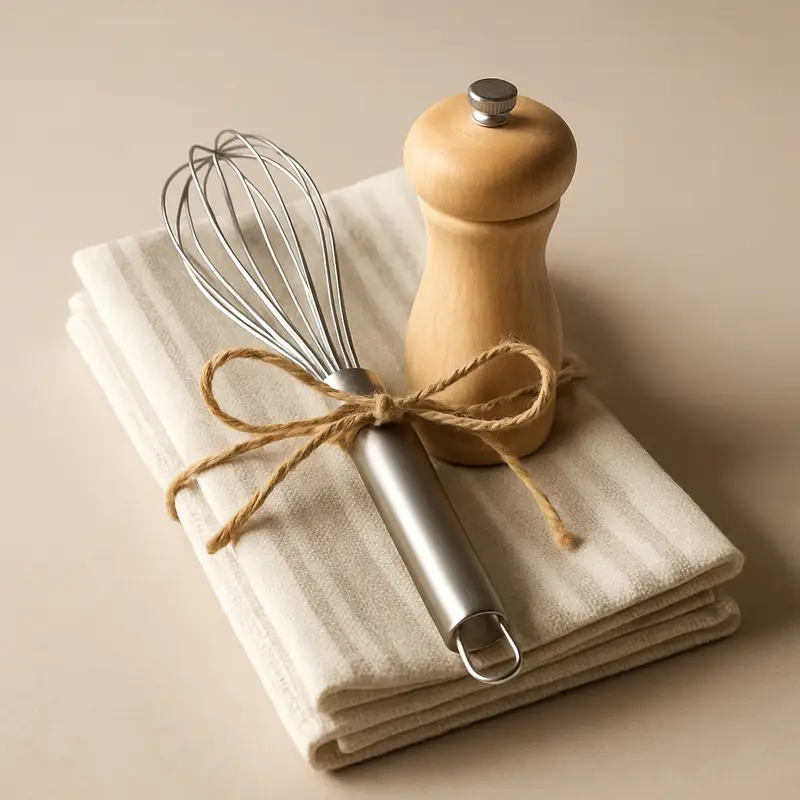
Useful tool ideas include a silicone spatula, a sturdy wooden spoon, a whisk, measuring spoons, a microplane, a vegetable peeler, tongs, or a can opener. These are everyday items that support a wide range of plant-forward recipes. If you want the basket to feel a little more special, add one item that elevates the cooking experience, such as a mortar and pestle, a salad spinner, a citrus juicer, or a small sauce pot.
Storage and prep tools can also be welcome. Reusable food containers, a set of mixing bowls, a cutting board, or a compact ingredient bin can help the gift feel genuinely practical. If the recipient cooks often, consider tools that make prep smoother rather than just prettier.
When selecting tools, think about how they work together. A whisk and measuring spoons pair well with baking ingredients. Tongs and a spatula pair well with roasting or sautéing. A citrus zester and a sharp knife support bright, fresh recipes. The more connected the pieces feel, the more natural the basket will seem.
Keep the number of tools manageable so the food remains the star. A few quality tools can make the basket feel substantial without overwhelming the recipient.
Shop on Amazon
SponsoredAs an Amazon Associate, The Gift Kitchen earns from qualifying purchases. Affiliate disclosure. Images are AI-generated illustrations, not the exact listing.
-
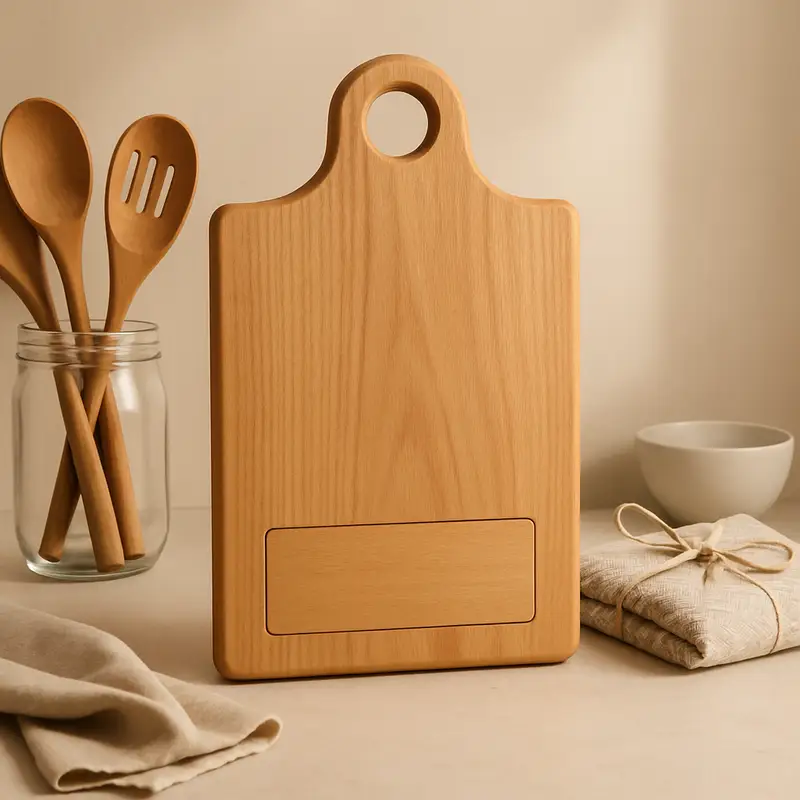
Personalized Cutting Board
Chosen as a representative pick for shoppers who want a personalized, everyday-useful kitchen gift.
Check options on Amazon: Personalized Cutting Board -
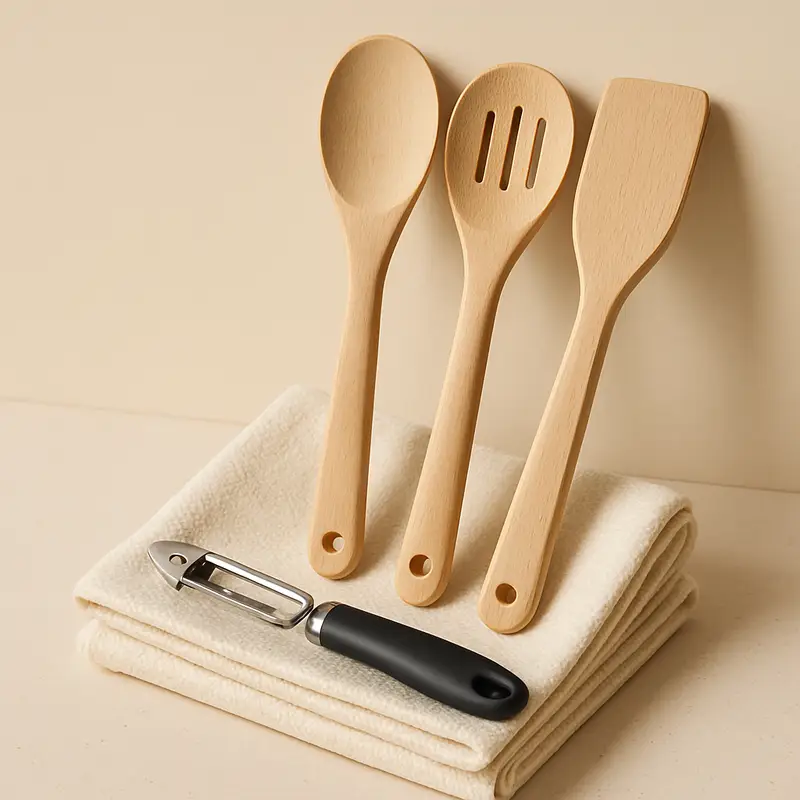
New-Home Kitchen Starter Set
Chosen as a representative pick for shoppers buying a housewarming or new-home gift.
Check options on Amazon: New-Home Kitchen Starter Set -
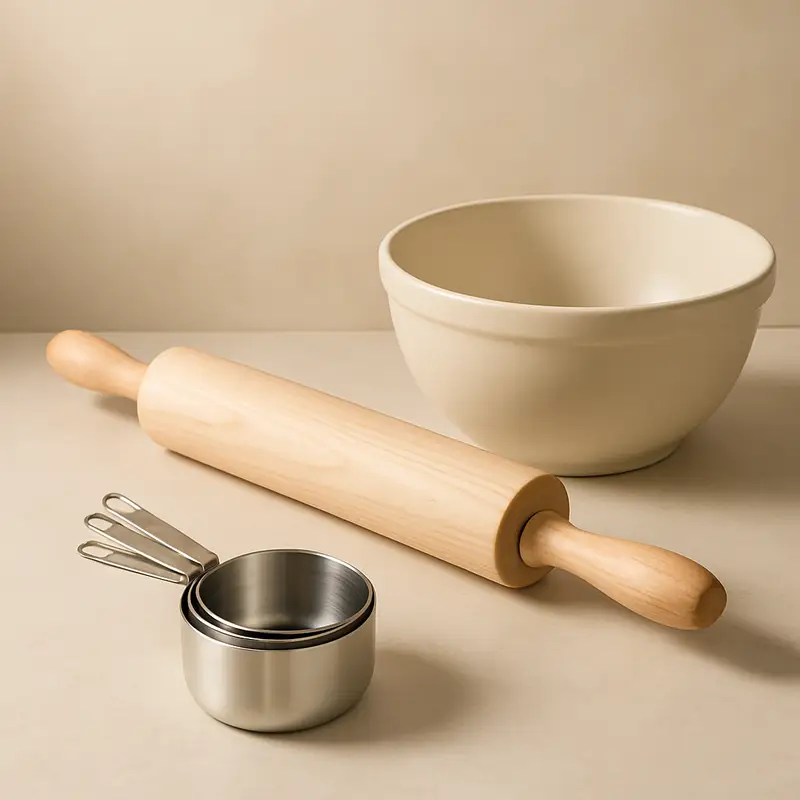
Baking Starter Tool Set
Chosen as a representative pick for shoppers buying for a home baker.
Check options on Amazon: Baking Starter Tool Set -
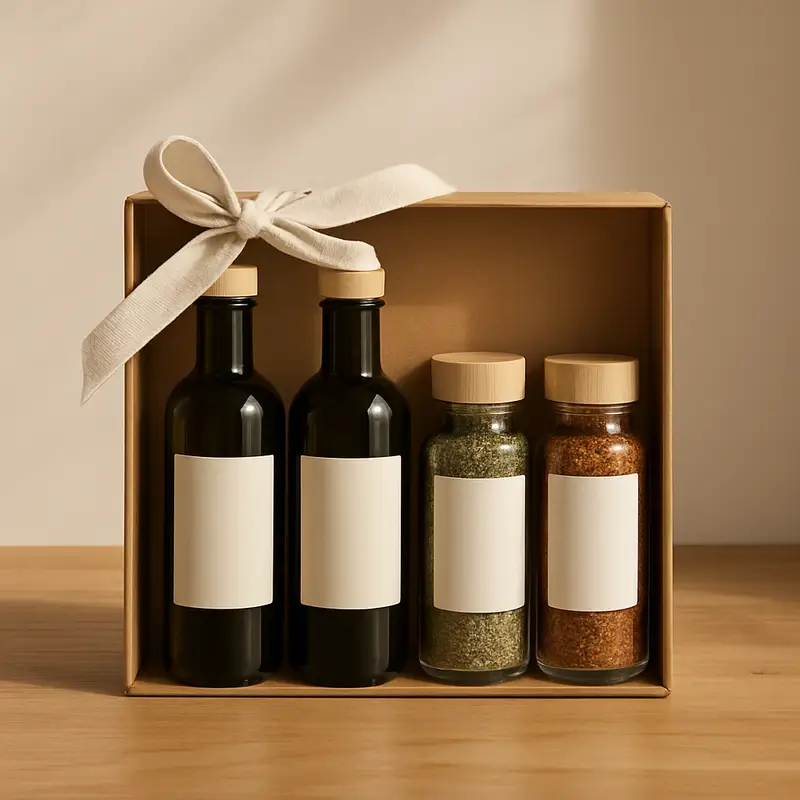
Olive Oil & Spice Gift Set
Chosen as a representative pick for shoppers buying for someone who enjoys cooking with better ingredients.
Check options on Amazon: Olive Oil & Spice Gift Set -
Small Kitchen Gift Set Under $25
Chosen as a representative pick for shoppers browsing budget-friendly kitchen gifts.
Check options on Amazon: Small Kitchen Gift Set Under $25 -
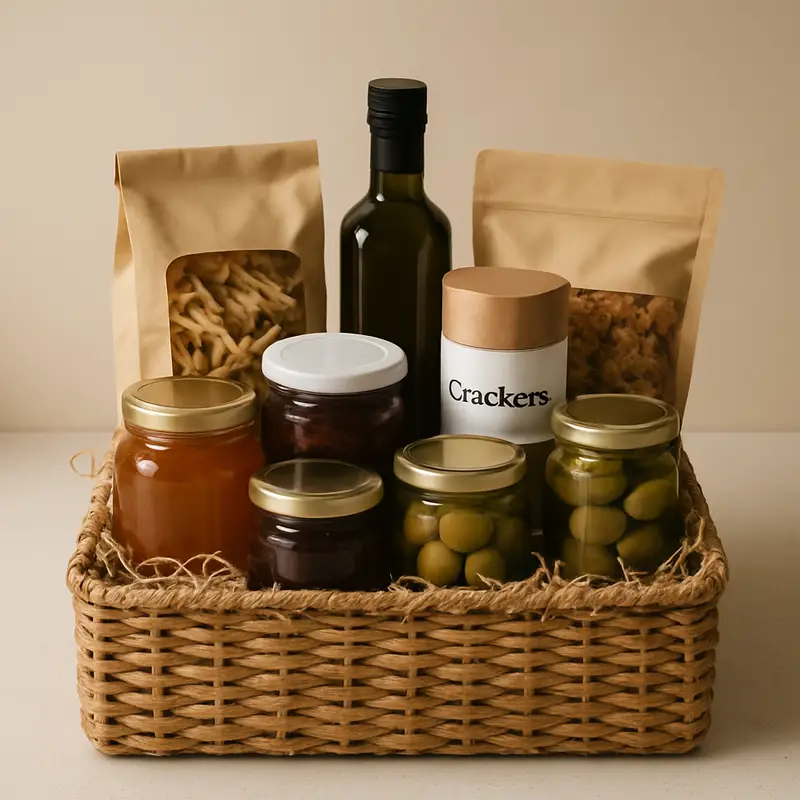
Gourmet Pantry Gift Basket
Chosen as a representative pick for shoppers who want a ready-made basket rather than assembling one themselves.
Check options on Amazon: Gourmet Pantry Gift Basket -
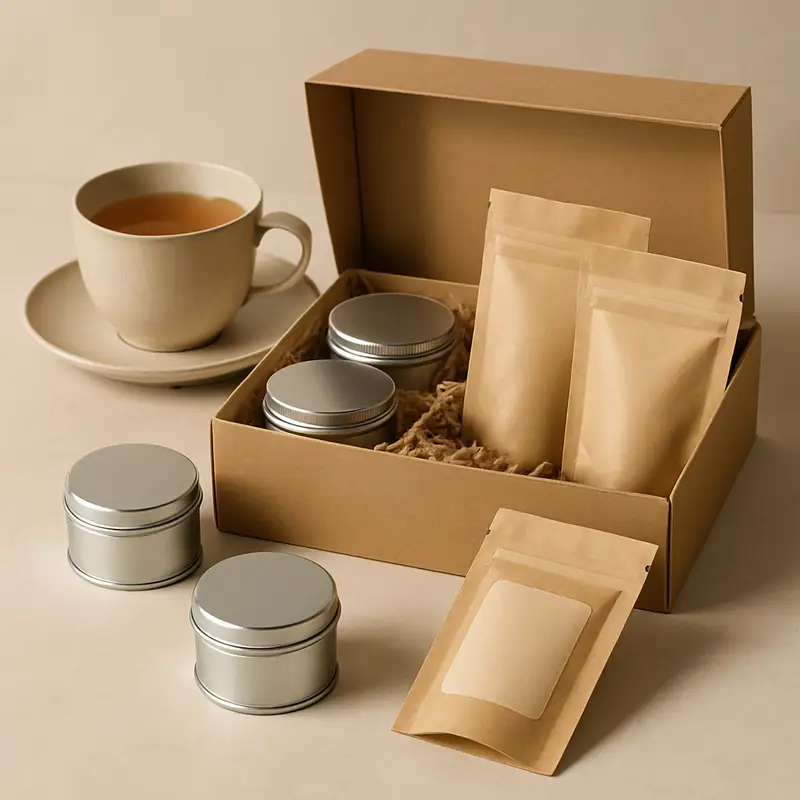
Tea Sampler Gift Set
Chosen as a representative pick for shoppers who want variety without committing to one tea style.
Check options on Amazon: Tea Sampler Gift Set -
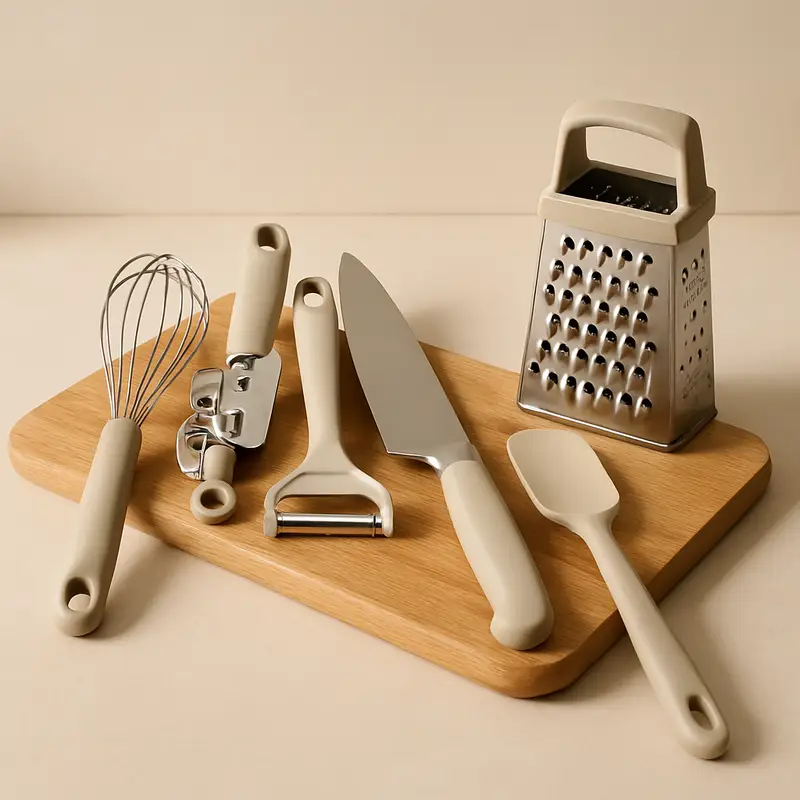
Chef's Kitchen Gadget Set
Chosen as a representative pick for shoppers buying for an enthusiastic home cook.
Check options on Amazon: Chef's Kitchen Gadget Set
How to Build the Basket So It Looks Thoughtful
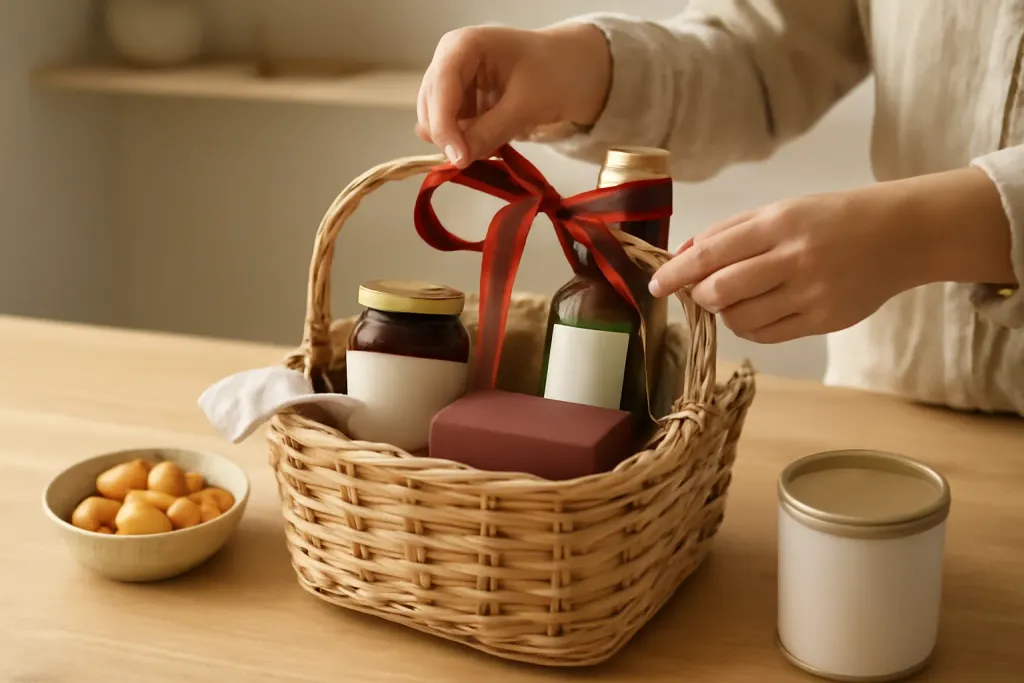
Presentation matters, especially for a gift basket that includes both food and kitchen tools. The goal is to make the contents feel intentionally arranged, not just dropped into a container. Start with a sturdy base that can hold weight well, such as a basket, shallow bin, crate, or reusable tote. The container should suit the recipient’s kitchen style and be useful after the gift is opened.
Begin by placing heavier items at the bottom or back so they do not crush lighter pieces. Taller items can be set toward the back to create height, while smaller jars and packets can fill the front. If the basket includes a mix of shapes and sizes, use a small dish towel, folded napkin, or kraft paper filler to create structure and keep items visible.
Grouping items by function can make the basket easier to understand at a glance. Put cooking tools together, pantry staples together, and finishing touches together. That kind of organization makes the basket feel deliberate and can help the recipient imagine how the pieces will be used.
A simple tag or handwritten note can add a lot of charm. You might list a few meal ideas, such as grain bowls, roasted vegetable trays, simple soups, or pasta nights. Even a short note can guide the recipient toward using the basket right away. If you include recipe cards, keep them brief and practical so they feel like helpful prompts rather than formal instructions.
For a clean finish, choose a ribbon, twine, or fabric wrap that matches the rest of the presentation. A polished look does not need to be fancy. It just needs to feel cared for.
Tailor the Gift to the Cook
The most successful plant based cooking gift basket is the one that fits the recipient’s habits. A gift for a new apartment dweller may need to be compact and versatile. A gift for a confident home cook can be more layered, with specialty ingredients and an extra tool or two. Thinking about the recipient’s kitchen setup can help you avoid overbuying or choosing items that never get used.
If the cook likes quick meals, focus on convenience items and easy-to-handle tools. If they enjoy weekend cooking projects, choose ingredients that invite experimentation, such as spice blends, sauces, and a specialty utensil. If they love hosting, build a basket that helps them make crowd-friendly dishes like dips, baked vegetables, or large salads with a strong finishing sauce.
It also helps to consider kitchen space. Someone with limited storage may appreciate a smaller basket with a few multipurpose items. Someone with more room may enjoy a broader assortment. In either case, choose items that suit the home rather than trying to impress with quantity alone.
Personal touches make the basket more memorable. A note about why you chose a particular spice blend, a favorite recipe idea, or a small utensil that matches the recipient’s cooking style can make the gift feel specific and warm. That kind of detail matters more than adding extra filler.
Easy Basket Formulas to Copy
If you want a simple starting point, use a formula instead of building from scratch. A formula helps you stay focused and prevents the basket from becoming random. You can adapt each one to the recipient’s taste and your budget without changing the basic structure.
One balanced formula is one grain or pasta, one sauce or condiment, one spice blend, two kitchen tools, and one recipe card or note. This version works well because it offers immediate meal-building potential and includes items that will keep getting used.
Another formula is one main pantry base, one finishing ingredient, one freshening element like citrus tools or herbs, one useful prep tool, and one storage item. This approach is especially nice for cooks who like clean, practical gifts.
A third option is a themed trio plus support items: three complementary food items, one or two utensils, a reusable container or towel, and a short note with serving ideas. The basket feels full, but still organized and purposeful.
These formulas are flexible enough to use for holidays, housewarmings, birthdays, or thank-you gifts. They also help when you are shopping in multiple stores or building the basket over time. By keeping the structure consistent, you can swap ingredients in and out without losing the overall idea.
Final Thoughts on Choosing Well
A plant based cooking gift basket works best when it is practical, easy to understand, and pleasant to open. The most useful baskets combine pantry staples, a few cooking tools, and a clear theme that makes the contents feel connected. That balance helps the gift feel thoughtful without becoming complicated.
As you shop, think about how the recipient cooks, what kind of meals they make often, and what would help them in the kitchen right now. A basket that supports real cooking routines will always feel more personal than one built around novelty alone. Even a modest selection can feel generous when the items are well chosen.
For independent shoppers, that is the real advantage of this kind of gift. You can create something useful, stylish, and tailored without relying on gimmicks. Whether you keep it simple with pantry basics or build a more complete kitchen set, the result can be a plant based cooking gift basket that feels welcoming and ready to use.