Why Kitchen Science Gifts Stand Out
Kitchen science gifts for adults are a strong choice when you want something more engaging than a standard gadget. They invite curiosity, reward experimentation, and often help the cook understand why a recipe behaves the way it does. That makes them especially appealing for adults who like to tinker, learn, and improve their technique while still making something practical for the table.
These gifts can range from precise measuring tools to small equipment that supports controlled heating, chilling, mixing, or textural experiments. Some lean toward baking science, where temperature and ratios matter. Others fit savory cooking, like tools for emulsions, infused oils, or better stock-making. The common thread is that the gift should feel useful in everyday cooking while also opening the door to discovery.
For an independent affiliate publisher, the best angle is to think about how the recipient cooks now. Do they already enjoy weekend projects and new methods? Are they a meticulous baker who likes repeatable results? Or are they a home cook who simply enjoys learning the mechanics behind better meals? Matching the gift to the person is what turns a clever idea into a genuinely appreciated one.
Best Types of Gifts to Consider
Some of the most useful kitchen science gifts for adults are the ones that make measurement and temperature more reliable. Digital scales, instant-read thermometers, probe thermometers, and timers are not flashy, but they are foundational. They help cooks compare outcomes, repeat successful results, and understand how small changes affect texture and doneness.
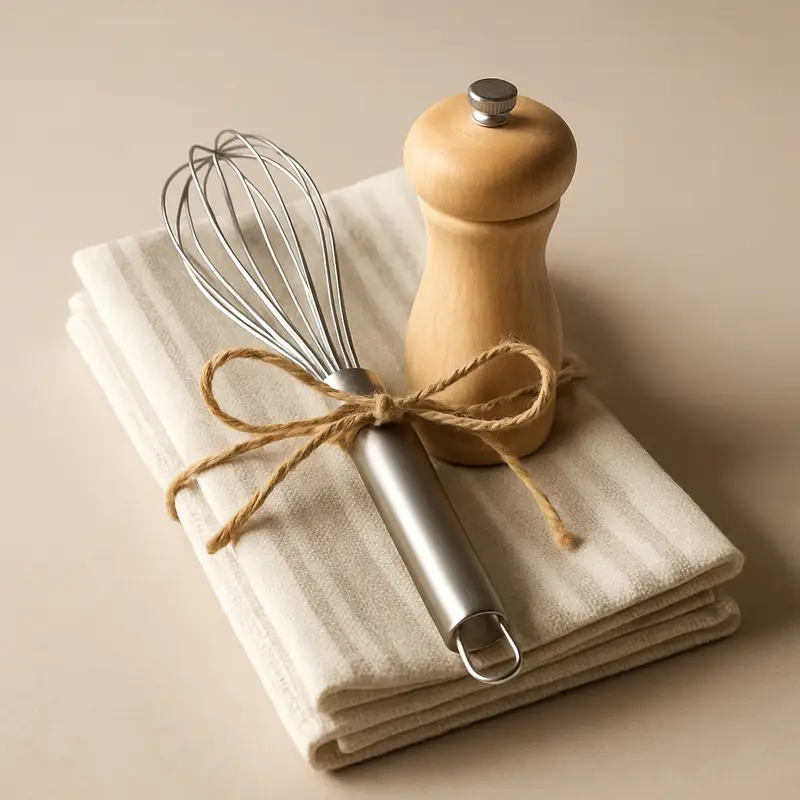
Another useful category is equipment that encourages controlled experiments. Whisks with comfortable handles, mixing bowls with good stability, immersion blenders, and small saucepans can all support activities like emulsion testing, custard making, or reduction work. These tools are appealing because they feel familiar, yet they reward a more exact approach.
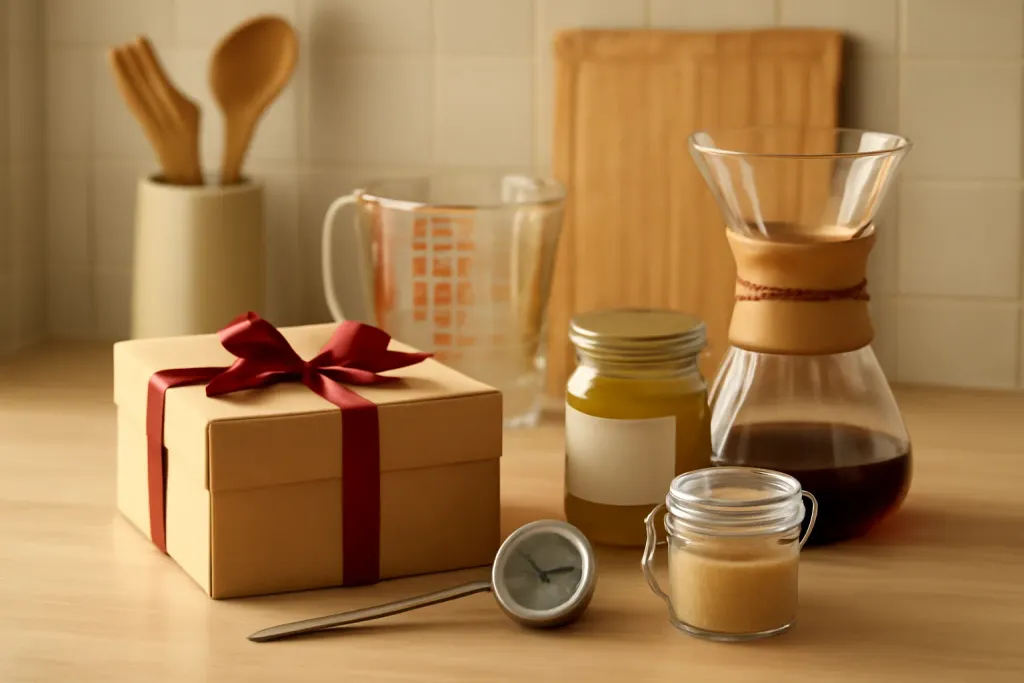
There are also gifts that teach by visualizing process. Glass measuring cups, clear storage containers, fermenting vessels, and digital kitchen timers can help a cook watch ingredients change over time. For adults who love the “why” behind cooking, that transparency is part of the fun.
If the recipient likes baking, consider tools that support consistency: pastry blenders, bench scrapers, oven thermometers, dough rulers, and quality sheets or pans. If they lean savory, think about mortar and pestle sets, spice grinders, milk frothers, or tools for precise fat and liquid control. The goal is to pick a category that matches the kind of science they want to explore in the kitchen.
Gifts for Baking Enthusiasts
Baking is one of the most naturally scientific areas of cooking, which is why kitchen science gifts for adults often shine here. A baking-focused gift can help someone manage ratios, heat, and timing more carefully. That may mean better cakes, cookies, breads, pastries, or quick breads, but it also means a more confident understanding of how ingredients work together.
A quality digital scale is one of the smartest baking gifts because it supports accurate flour, sugar, and butter measurements. For many home bakers, this is a simple upgrade that can make recipes easier to repeat. Pair it with measuring spoons that are clearly marked and easy to clean, and you have a practical set that gets used often.
Oven thermometers are another thoughtful option, especially for adults who bake frequently. Home ovens can run hotter or cooler than the display suggests, and knowing the real temperature helps with timing and browning. Add in a cooling rack, bench scraper, pastry cutter, or silicone spatula set, and the baker has a toolkit that supports careful process from mixing to finishing.
If you want a gift that feels a little more exploratory, consider tools for yeast breads or laminated doughs. A dough whisk, proofing container, or dough scraper can help the baker observe fermentation and handling more clearly. These are the kinds of tools that make technique feel approachable rather than intimidating.
Gifts for Savory Cooking Curiosity
Not every kitchen science gift has to be about baking. Many adults are fascinated by the chemistry of savory cooking, where heat, fat, moisture, and seasoning create dramatic changes in flavor and texture. Gifts in this area can be both useful and inspiring, especially for someone who likes to cook dinner as much as dessert.
An immersion blender is a versatile option because it supports soups, sauces, dressings, and emulsions with minimal fuss. It is a good gift for cooks who want smooth results without transferring hot liquids to a countertop blender. A milk frother can also be a fun, smaller-scale tool for sauces or drinks, depending on how the recipient likes to experiment.
For cooks interested in stocks, braises, or reduction sauces, thoughtful tools include fine-mesh strainers, fat separators, and sturdy saucepans. These help with clearer broths, more controlled simmering, and cleaner finishing. A thermometer can be useful here too, especially for anyone who wants better control over poaching, deep frying, or candy stages.
Spice tools are another good route. A mortar and pestle or spice grinder gives the cook more control over freshness and texture. That can change the aroma of a dish in a way that feels immediate and satisfying. For adults who like to learn by tasting and adjusting, these tools are practical and rewarding.
Shop on Amazon
SponsoredAs an Amazon Associate, The Gift Kitchen earns from qualifying purchases. Affiliate disclosure. Images are AI-generated illustrations, not the exact listing.
-
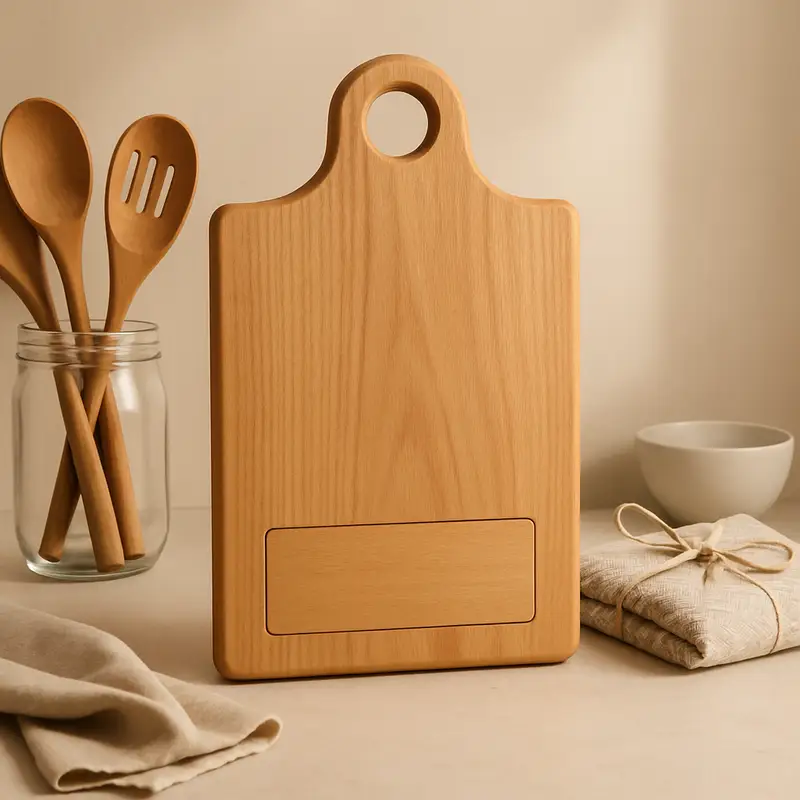
Personalized Cutting Board
Chosen as a representative pick for shoppers who want a personalized, everyday-useful kitchen gift.
Check options on Amazon: Personalized Cutting Board -
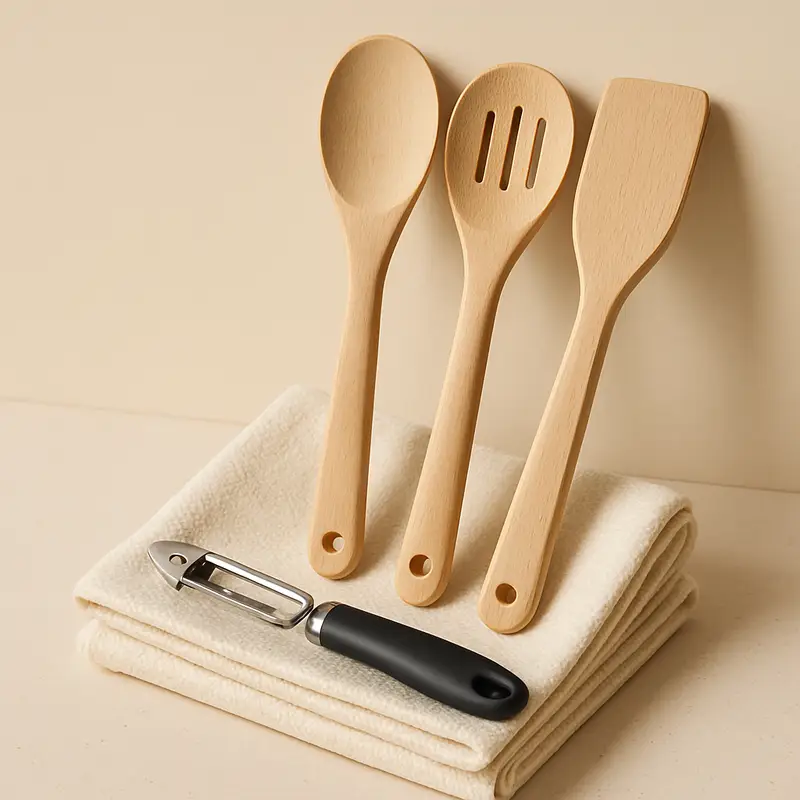
New-Home Kitchen Starter Set
Chosen as a representative pick for shoppers buying a housewarming or new-home gift.
Check options on Amazon: New-Home Kitchen Starter Set -
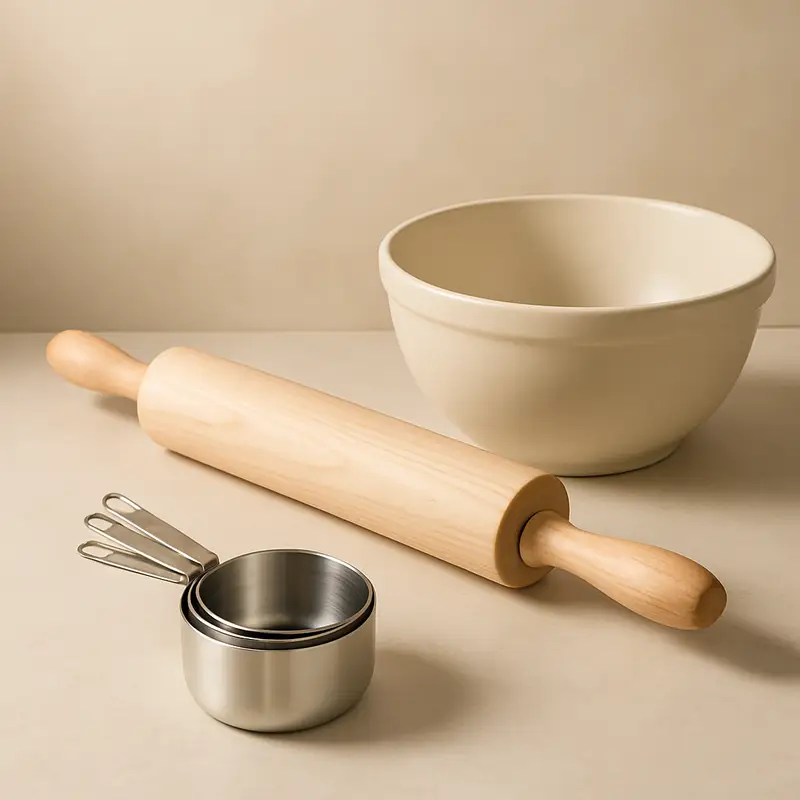
Baking Starter Tool Set
Chosen as a representative pick for shoppers buying for a home baker.
Check options on Amazon: Baking Starter Tool Set -
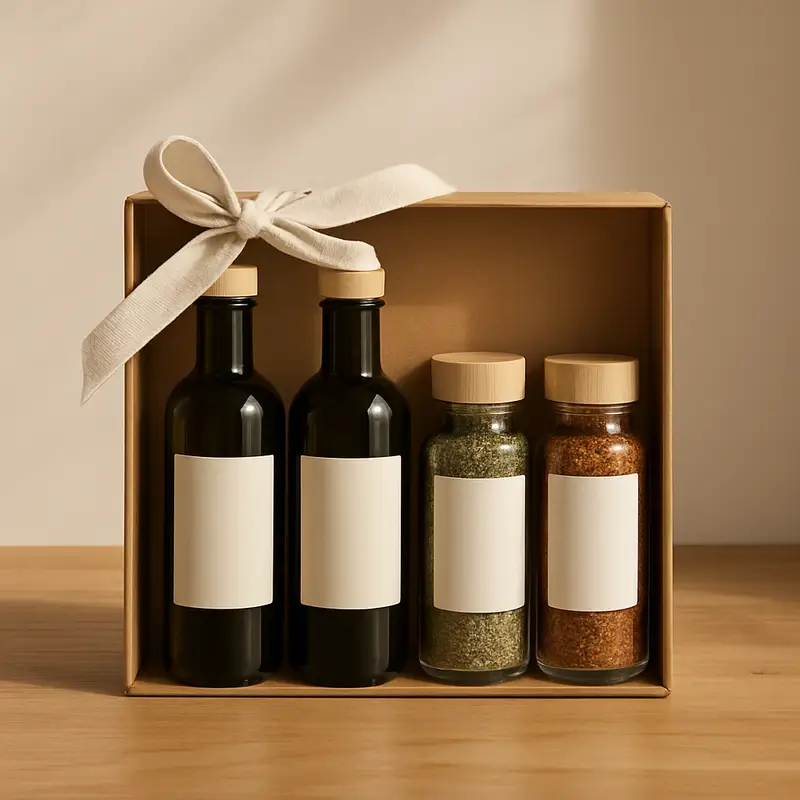
Olive Oil & Spice Gift Set
Chosen as a representative pick for shoppers buying for someone who enjoys cooking with better ingredients.
Check options on Amazon: Olive Oil & Spice Gift Set -
Small Kitchen Gift Set Under $25
Chosen as a representative pick for shoppers browsing budget-friendly kitchen gifts.
Check options on Amazon: Small Kitchen Gift Set Under $25 -
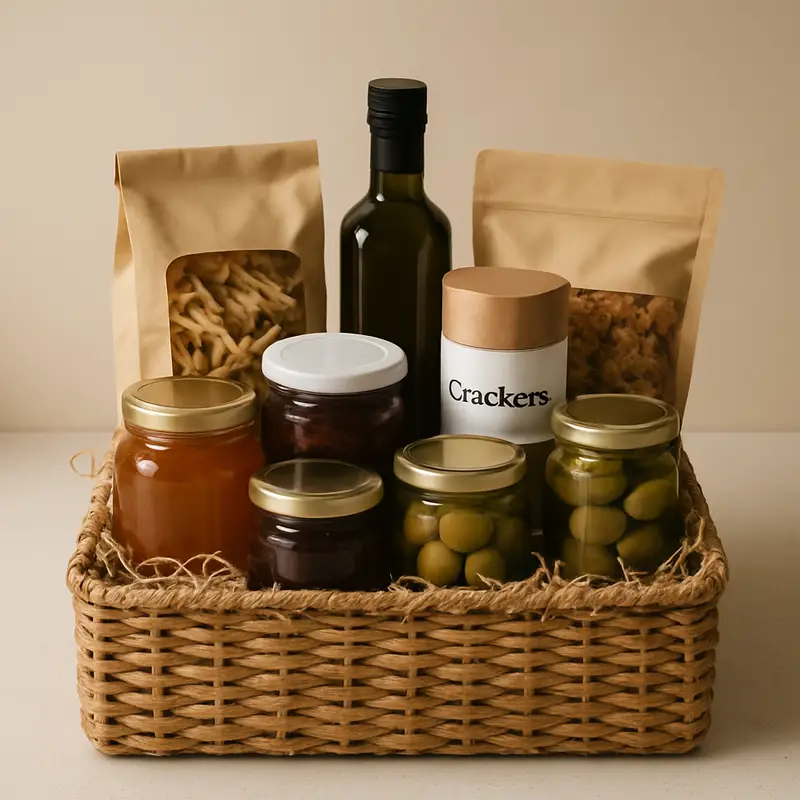
Gourmet Pantry Gift Basket
Chosen as a representative pick for shoppers who want a ready-made basket rather than assembling one themselves.
Check options on Amazon: Gourmet Pantry Gift Basket -
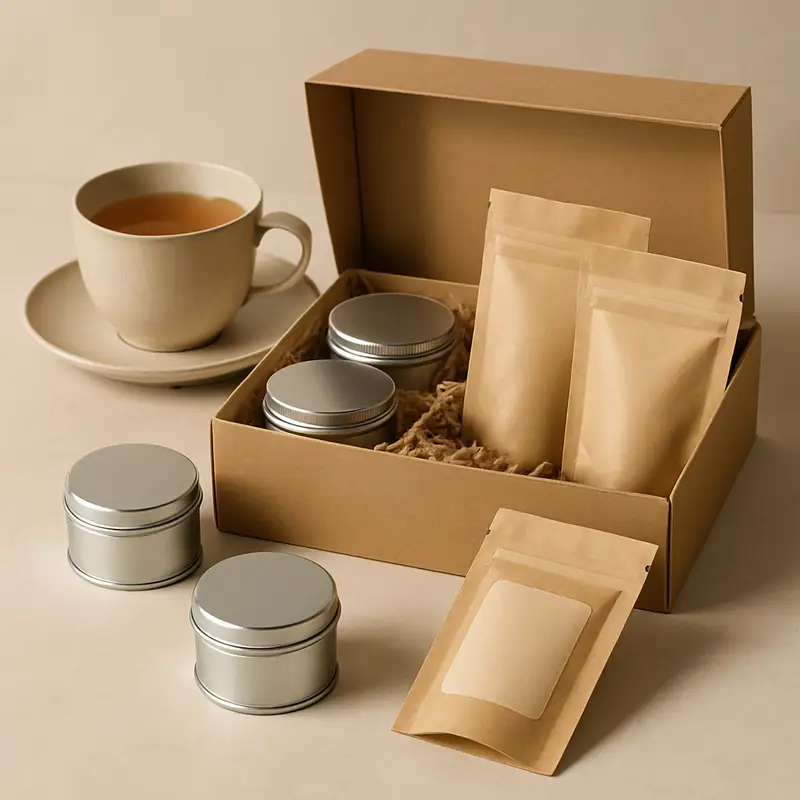
Tea Sampler Gift Set
Chosen as a representative pick for shoppers who want variety without committing to one tea style.
Check options on Amazon: Tea Sampler Gift Set -
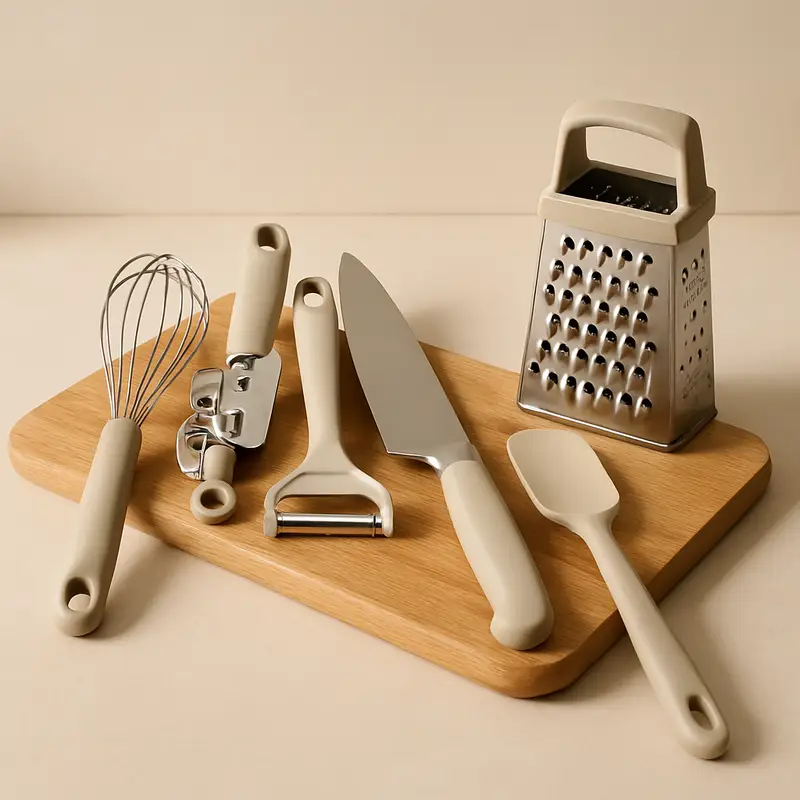
Chef's Kitchen Gadget Set
Chosen as a representative pick for shoppers buying for an enthusiastic home cook.
Check options on Amazon: Chef's Kitchen Gadget Set
Hands-On Tools That Encourage Experimentation
Some of the best kitchen science gifts for adults are the ones that make experimentation feel easy. When a tool lowers the friction of trying something new, the recipient is more likely to use it often. That is especially important for gifts intended to spark curiosity rather than simply sit in a drawer.
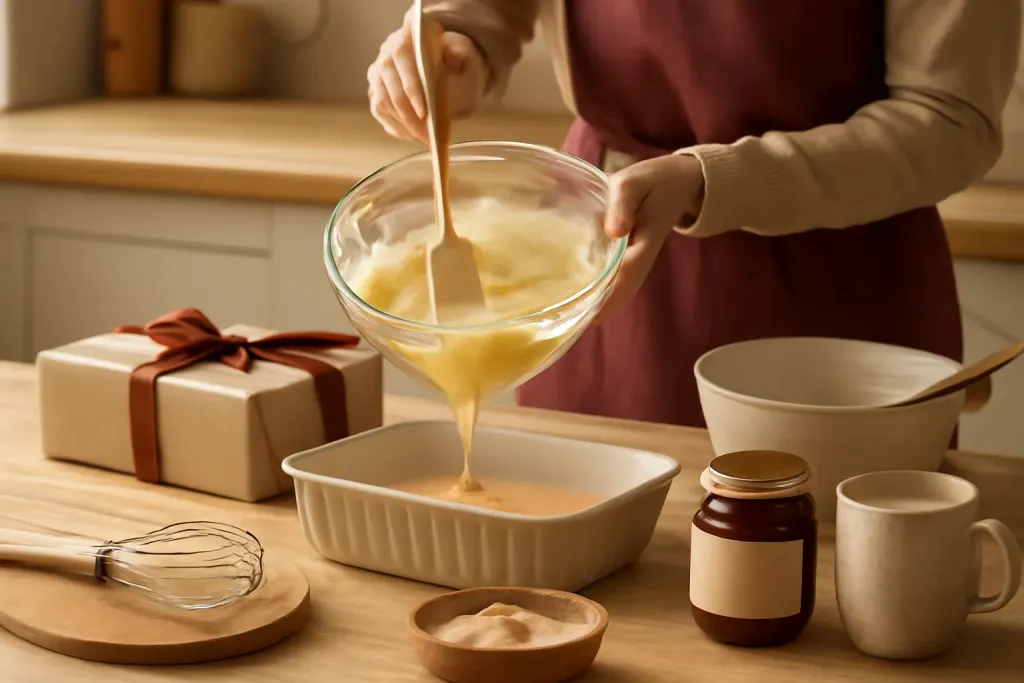
Mixing bowls with non-slip bases, nested storage, or clear markings can make a surprising difference when testing small recipe variations. Measuring cups and spoons with well-defined markings are similarly helpful. They give the cook confidence that each trial starts from the same baseline, which is key when learning how ingredient changes affect the result.
Heat-related tools also belong in this category. A kitchen torch, for example, can be used for finishing textures and browning in small, controlled ways. A probe thermometer can support roast meats, custards, or bread. A heavy-bottomed saucepan can make temperature shifts less dramatic, which is helpful for delicate cooking tasks that reward patience.
For adults who enjoy tinkering with textures, a sieve set, food mill, or ricer can open up new possibilities. These tools make it easier to compare smooth, coarse, and airy results. They are especially appealing to cooks who enjoy asking, “What happens if I change this one step?”
How to Match the Gift to the Cook
The most successful kitchen science gifts for adults usually fit the recipient’s current habits. If they already bake every week, a scale, oven thermometer, or dough tool makes more sense than a gadget that only works for one advanced technique. If they are newer to cooking, a simple and sturdy tool may be more valuable than something novel but complicated.
It can help to think in terms of learning style. Some adults like visible results, so clear containers, timers, and thermometers are appealing. Others enjoy tactile hands-on work, which points toward whisks, grinders, and manual tools. A third group prefers precision and repeatability, making them good candidates for measuring systems, scales, and controlled heating equipment.
Also consider kitchen space. A large specialty item may be exciting, but if the recipient has limited counter or cabinet room, a compact tool is likely to get more use. Small science-minded gifts can still feel thoughtful if they solve a real cooking problem. That can be as simple as better measuring, easier whisking, or more accurate temperature checks.
If you are choosing for a gift exchange, housewarming, birthday, or holiday, versatility matters. Look for tools that support multiple recipes and cooking styles. Gifts that help with both everyday meals and occasional projects tend to feel more worthwhile over time.
Simple Gift Bundles That Feel Thoughtful
One easy way to elevate kitchen science gifts for adults is to bundle a few compatible tools together. This creates a more complete experience without requiring you to buy anything overly specialized. A small bundle can also make a gift feel intentional, like you chose it with the recipient’s cooking style in mind.
For bakers, a practical bundle might include a digital scale, dough scraper, and oven thermometer. That combination supports accuracy, handling, and heat awareness. For a savory cook, an immersion blender, fine-mesh strainer, and instant-read thermometer can be a smart trio for soups, sauces, and roasts.
If the recipient loves experimentation, combine a notebook or recipe journal with a timer and measuring tools. That encourages them to record what they changed and what happened. For adults who like to learn by doing, a simple record of trials can be just as valuable as the tools themselves.
You can also build a gift around one theme, such as emulsions, fermentation, or baking consistency. The point is not to make the bundle large; it is to make it coherent. A few well-chosen items are often more useful than a pile of random gadgets.
What to Look for Before Buying
Before choosing kitchen science gifts for adults, it helps to check a few practical details. Look for tools that are easy to read, easy to clean, and comfortable to use. Clarity matters because science-minded cooking often relies on fast decisions, and a tool that is awkward or hard to interpret is less likely to be used.
Materials and build quality also matter. A sturdy whisk, a balanced scale, or a thermometer with a clear display can feel better in daily use than a novelty item with more features than function. In the kitchen, reliability often beats complexity. A gift should support confidence, not add confusion.
Think about storage, too. Compact tools are easier to keep accessible, and accessibility is what makes a gift part of someone’s routine. If an item is large, make sure it solves a meaningful problem or has enough versatility to justify the space it takes up.
Finally, consider whether the tool can grow with the cook. The best kitchen science gifts are often the ones that still feel useful after the first experiment. They should help the recipient improve skills, repeat good results, and enjoy the process of learning. That combination of practicality and curiosity is what makes this gift category so satisfying.