
What an Italian Cooking Gift Basket Should Include
An Italian cooking gift basket works best when it feels useful on the first day it is opened and still helpful months later. For most home cooks, the strongest basket is not the one packed with the most items, but the one that balances pantry staples, a few specialty touches, and something that inspires a meal right away.
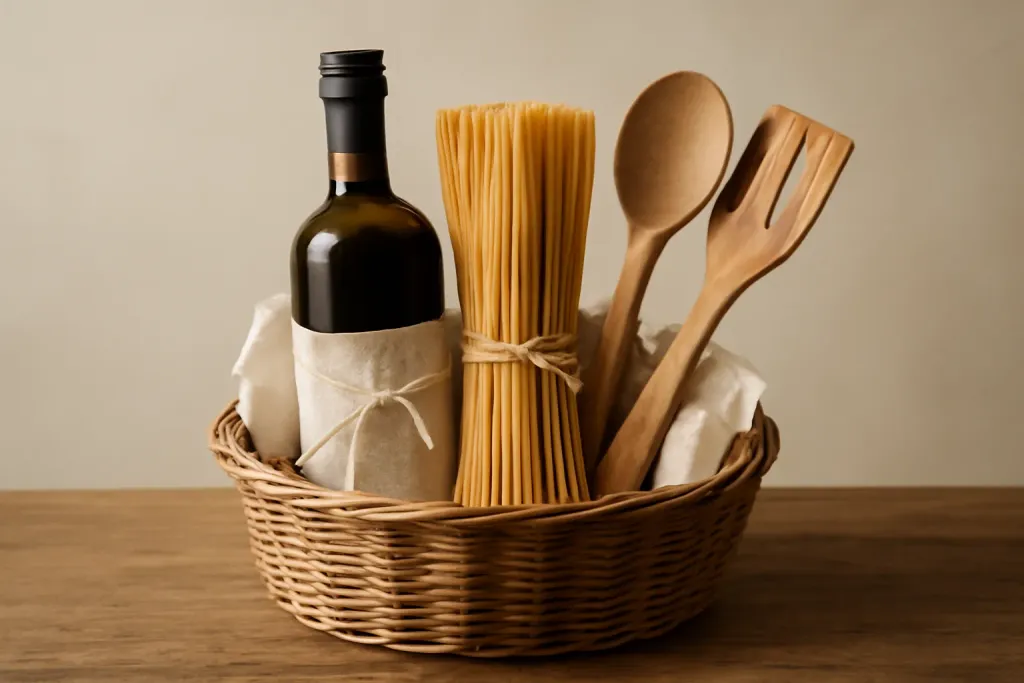
Start with the basics that support everyday Italian-style cooking. Olive oil, dried pasta, tomato sauce, pasta utensils, herbs, and a good recipe card can all belong in the same gift. From there, you can add a small selection of accents that make the basket feel more personal, such as balsamic vinegar, pasta bowls, a grater, a wooden spoon, or a pasta-serving fork. These pieces help the gift feel complete without becoming overly complicated.
It also helps to think in layers. One layer can be practical ingredients for a weeknight dinner. Another can be tools that improve the cooking process. A final layer can be presentation, such as a reusable basket, a box with shredded paper, or a kitchen towel that doubles as wrapping. When the contents are chosen with this structure in mind, the basket feels thoughtful rather than random.
Best Occasions for This Kind of Gift
An Italian cooking gift basket fits many gifting occasions because it is both personal and broadly useful. It can work for housewarmings, holidays, birthdays, weddings, retirement gifts, and thank-you gestures. It is especially appealing when you want something that feels more curated than a single kitchen tool but less formal than a full appliance.
For a housewarming, the basket can help someone stock a new kitchen with essentials they may not have unpacked yet. For a wedding or anniversary, it can feel like a shared gift that encourages time spent cooking together. For birthdays, it can be tailored to the recipient's favorite way of cooking, whether they enjoy making pasta from scratch or simply love easy Italian-inspired dinners at home.
This type of gift also works well for hosts who enjoy feeding a crowd. A basket with pasta, sauce, serving utensils, and a bottle-shaped oil dispenser can make entertaining feel easier. If you are gifting to someone who already cooks often, lean toward higher-use items. If the recipient is newer to the kitchen, choose simple ingredients and tools that make the gift approachable.
Building a Basket Around a Meal Theme
One of the easiest ways to create a memorable Italian cooking gift basket is to build it around a meal idea. Instead of collecting unrelated items, think about the kind of dinner the recipient might actually make. A pasta night basket is a natural starting point, but there are other directions too. You might create a pizza night basket, an antipasto-inspired basket, or a Sunday supper basket centered on a comforting sauce and a hearty pasta shape.
A pasta night basket could include dried pasta, jarred sauce, olive oil, garlic, a grater, and a wooden spoon. A pizza night version might feature pizza dough mix or flour, tomato sauce, dried oregano, a pizza cutter, and a serving board. For an antipasto-style basket, consider marinated vegetables, breadsticks, olives, crackers, and a small knife or spreader. The goal is to suggest a meal without forcing the recipient into a specific recipe.
The meal theme also makes the gift easier to shop for. Once you know the basket's focus, it becomes simpler to choose pieces that belong together. This approach keeps the basket from feeling cluttered and gives the recipient a clear idea of how to use it.
Useful Kitchen Tools to Add
The best Italian cooking gift basket usually includes at least one tool the recipient will use again and again. Kitchen gifts tend to be most appreciated when they solve a small problem or replace a worn-out item. For Italian-style cooking, that could mean a garlic press, a box grater, a pasta server, a ladle, tongs, a whisk, or a sturdy spoon for sauce.
Serving items can be just as valuable as cooking tools. Pasta bowls, a small serving platter, an olive dish, or a cheese board can make an ordinary dinner feel more complete. If you want the basket to feel polished, choose items that work together visually. Natural wood, stainless steel, ceramic, and glass usually create a classic kitchen look that suits many homes.
Remember that a gift basket does not need to include only large pieces. Small tools often make the biggest difference because they are easy to tuck into the arrangement and easy to use often. If the recipient already has standard cookware, focus on finishing tools and serving pieces rather than duplicate basics. That keeps the gift practical and avoids unnecessary overlap.
Browse our recommended products
Our featured picks refresh periodically. While we update them, our editorial guides can help you find the right gift.
See our guidesPantry Items That Feel Thoughtful
Pantry ingredients are what give an Italian cooking gift basket its sense of abundance. They make the gift feel ready to use, not just decorative. The most helpful choices are items that support a range of meals and can live comfortably in a pantry or cupboard until needed.
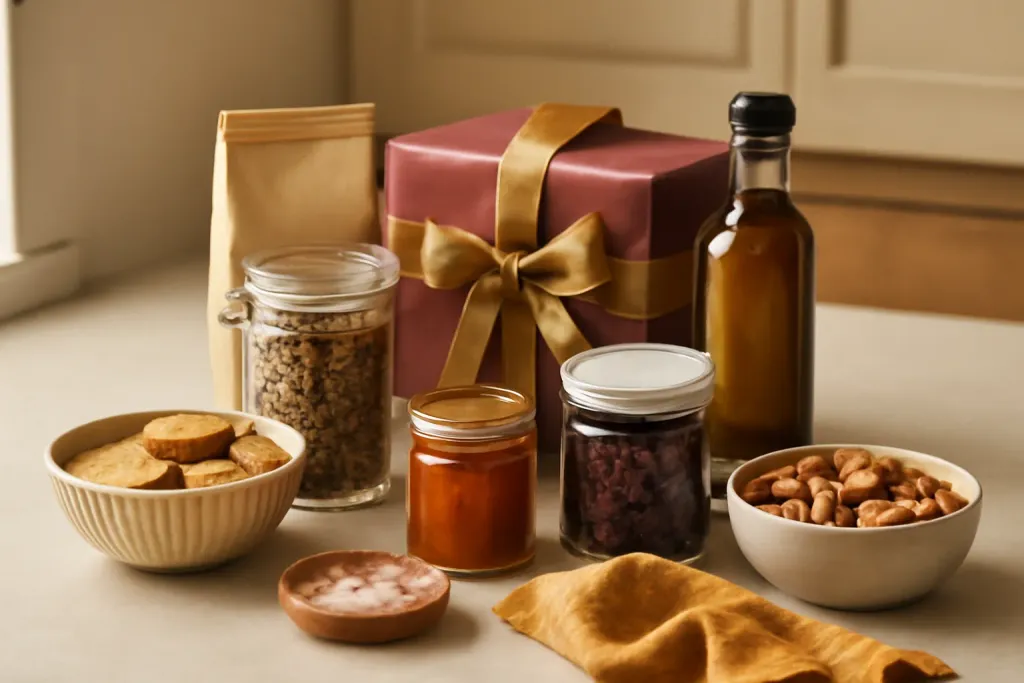
Good options include dried pasta in an attractive shape, marinara or tomato-based sauce, olive oil, balsamic vinegar, tomato paste, Italian seasoning, dried basil, oregano, garlic powder, and red pepper flakes. A jar of roasted peppers, sun-dried tomatoes, or artichokes can also add variety without making the basket feel too busy. If you want to include a sweet note, biscotti or simple cookies can round out the gift while still staying within the kitchen theme.
Presentation matters here, too. Use jars and packages that are easy to stack and visually tidy. If possible, keep labels facing outward and pair tall items with shorter ones so the basket looks balanced. A tea towel or piece of parchment can help fill gaps and make the whole arrangement feel intentional. When the pantry pieces are well chosen, the gift becomes both attractive and genuinely useful.
How to Make the Gift Feel Personal
A great Italian cooking gift basket should reflect the person receiving it, not just the theme. Personal touches do not need to be elaborate. Often, the most meaningful additions are the ones that show you paid attention to how the recipient cooks, serves, and entertains.
If the person enjoys family-style meals, include a serving spoon, a large pasta bowl, or a platter for shared dishes. If they like weeknight convenience, choose ingredients that make a quick dinner possible. If they are enthusiastic about presentation, add a small cheese knife, a decorative jar, or a serving tray that looks good on the table. A handwritten note with a simple recipe idea can also make the gift feel more considered.
You can personalize the basket through color, too. Some gift givers prefer a rustic look with brown kraft paper and woven accents. Others choose a cleaner style with white, glass, and stainless steel. Either direction can work well. What matters is that the basket looks cohesive and suited to the recipient's kitchen style.
Presentation and Packing Tips
Presentation is what turns a collection of kitchen items into a true gift basket. Start with a sturdy base that can support the weight of jars, bottles, and tools. A wicker basket, handled box, or shallow crate are all practical choices. If the contents are heavy, place the most stable items on the bottom and build upward with lighter pieces.
Use filler thoughtfully. Shredded paper, a folded kitchen towel, or even a cloth napkin can help lift items into view and reduce shifting. Group similar items together, such as all pantry goods on one side and tools on the other. This makes the basket look organized and helps the recipient see the categories at a glance.
Try not to overcrowd the arrangement. A basket that is too packed can be hard to unwrap and may look less polished. Leave a little space so each item feels deliberate. If you want a finishing touch, tie the basket with ribbon, twine, or a strip of fabric. A simple gift tag with the basket theme can make the presentation feel complete without adding clutter.
Choosing the Right Basket for the Recipient
The right Italian cooking gift basket depends on the person's cooking habits, not just on the idea of Italian food itself. A beginner may appreciate a straightforward set of ingredients and a few easy-to-use tools. An experienced cook may prefer higher-quality pantry items, specialty serving pieces, or tools that improve their routine.
Think about what the recipient already owns. If they have a well-stocked kitchen, avoid repeating basic utensils and instead focus on useful upgrades or items they can serve with. If they are building a kitchen from scratch, include the essentials that help them make a satisfying meal with minimal effort. Either way, aim for balance. The basket should feel generous, but it should also feel curated.
It can also help to match the basket to the recipient's home life. A busy parent may appreciate ingredients for quick pasta dinners. Someone who loves hosting may prefer a basket built around serving and sharing. A newly married couple might enjoy a basket that suggests cozy meals at home. When the gift reflects how the person actually lives, it becomes more than a themed present. It becomes a useful part of their kitchen.